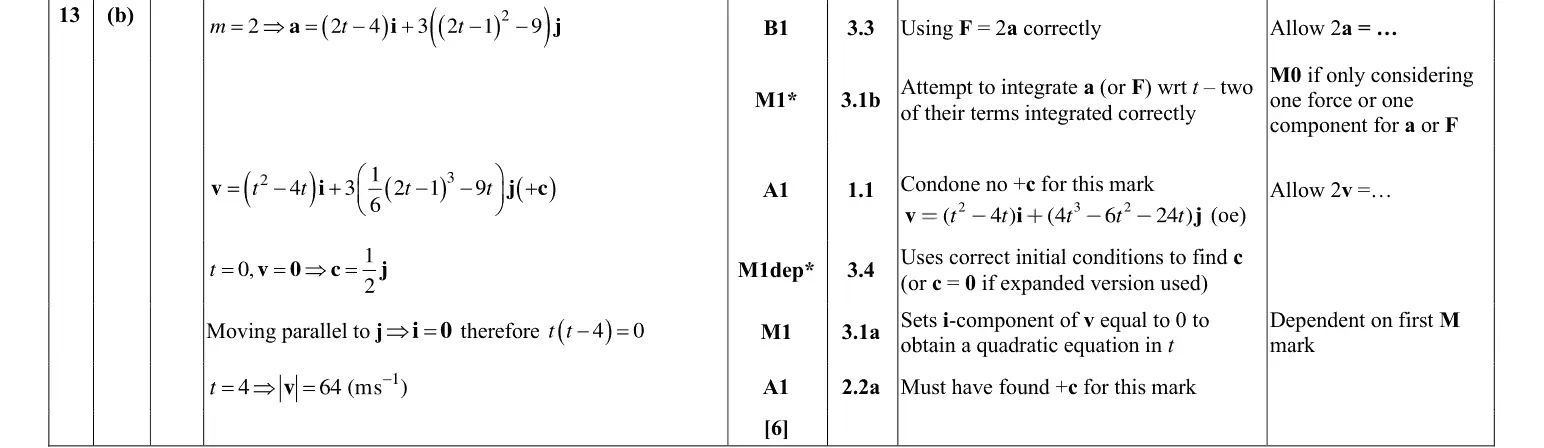
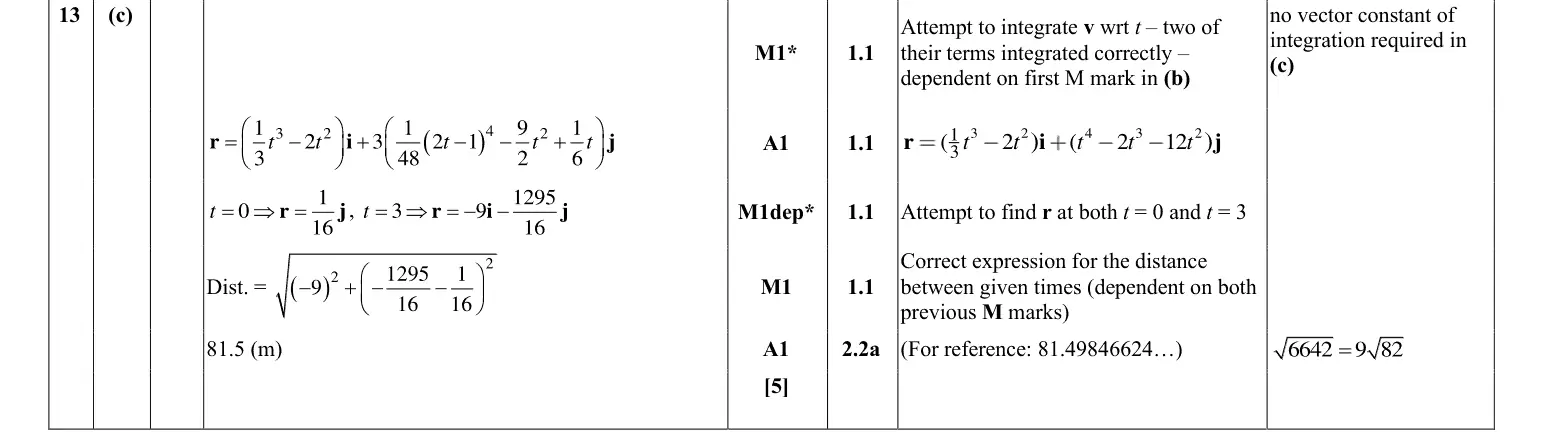
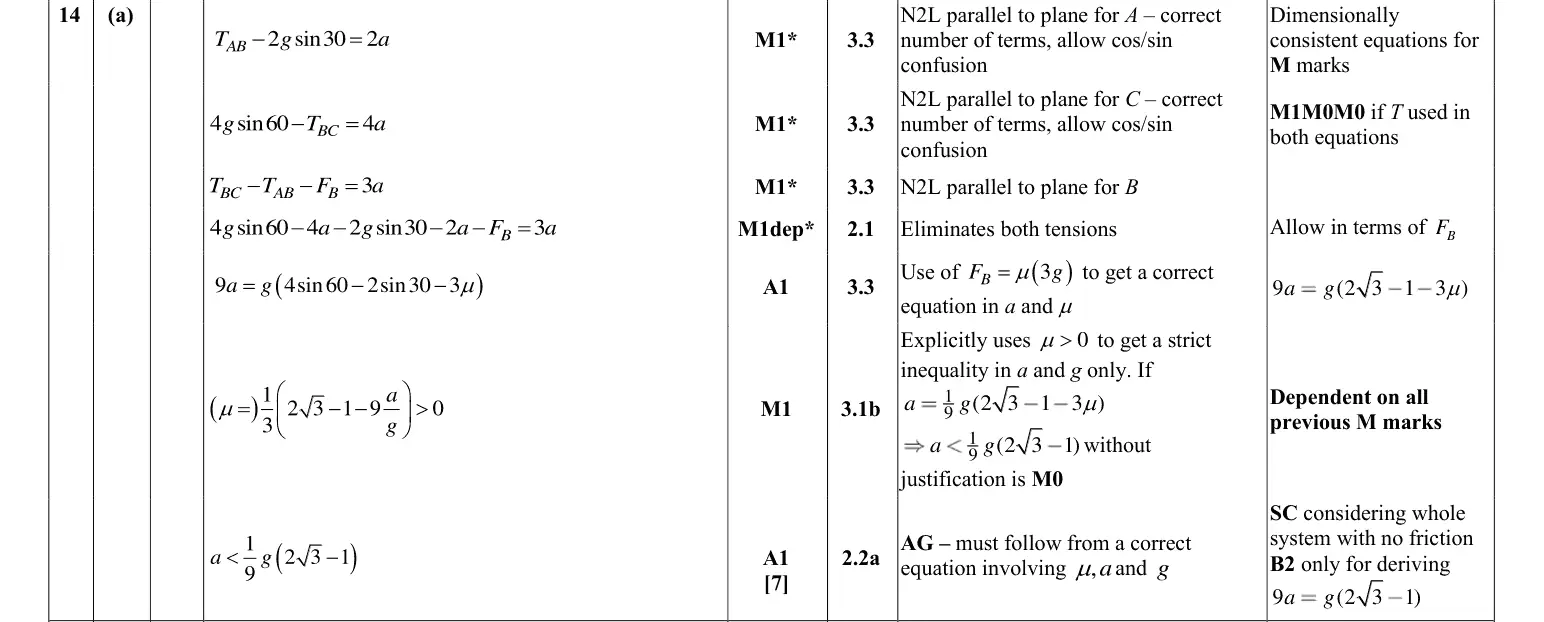
Mark scheme for this part
Key points and common errors
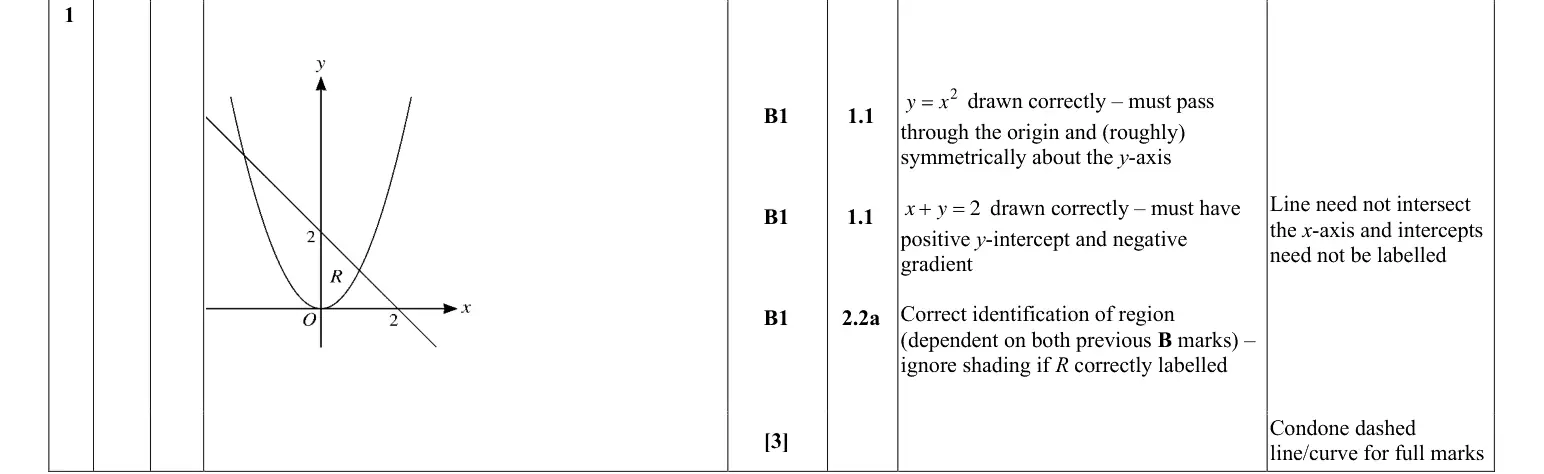
- sketch y = x² through O and the line x + y = 2 with positive y-intercept and negative gradient
- label region R (between curve, line and y-axis)
100 marks · 32 question parts · Question paper, mark scheme and examiner's report on OCR's site
(From the general report) This command phrase features in Questions 2(a), 6(a), 8(a), 8(b), 10(b) and 14(a).

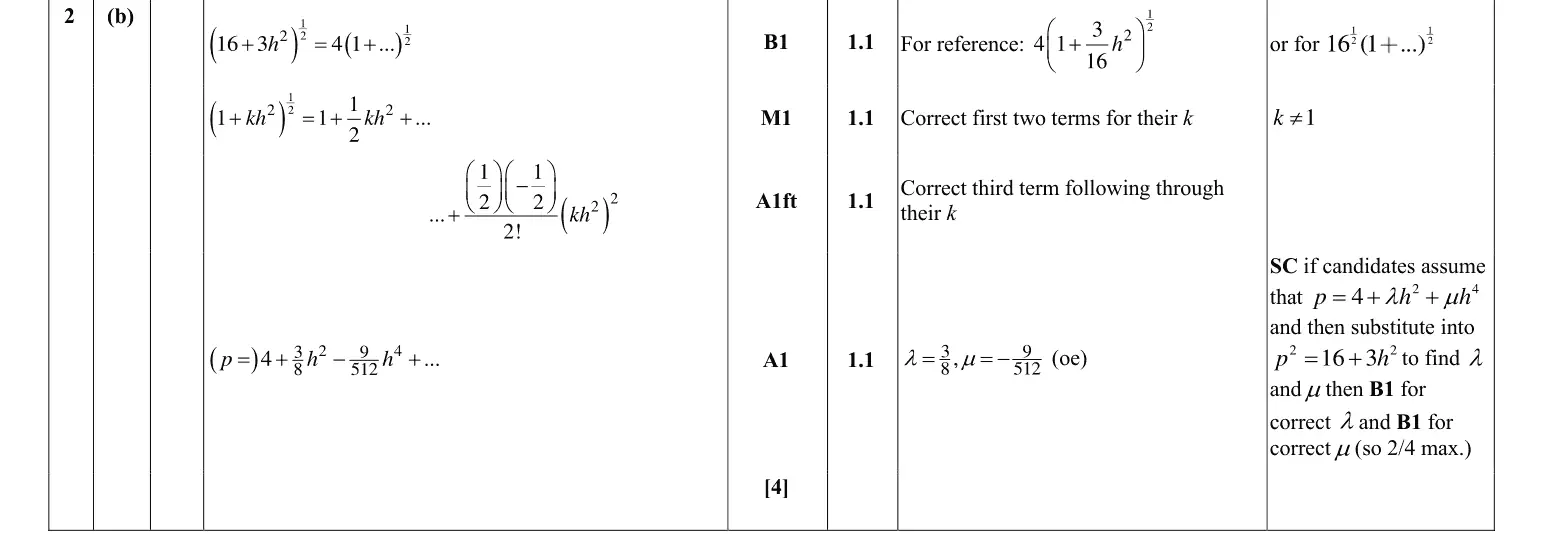
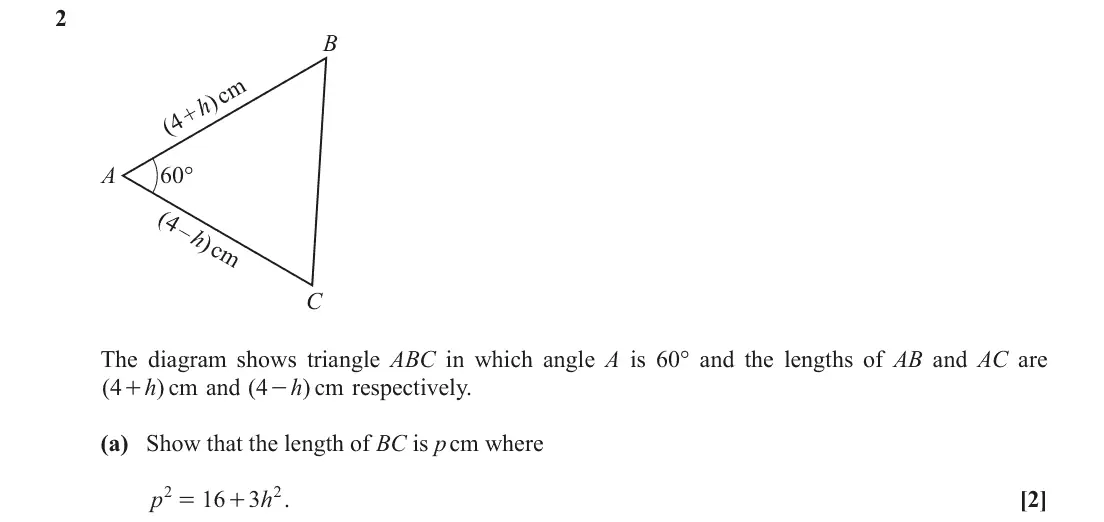
Candidates struggled to see the link between part (a), in which most candidates were successful in applying the cosine rule to derive the given result of p 16 3 h , and the demand in (b) to find a three- term approximation for p in powers of .h Most candidates did not realise that a binomial expansion was required and instead tried to use, quite surprisingly, small-angle approximations (even though the expression for p did not contain any trigonometric terms).

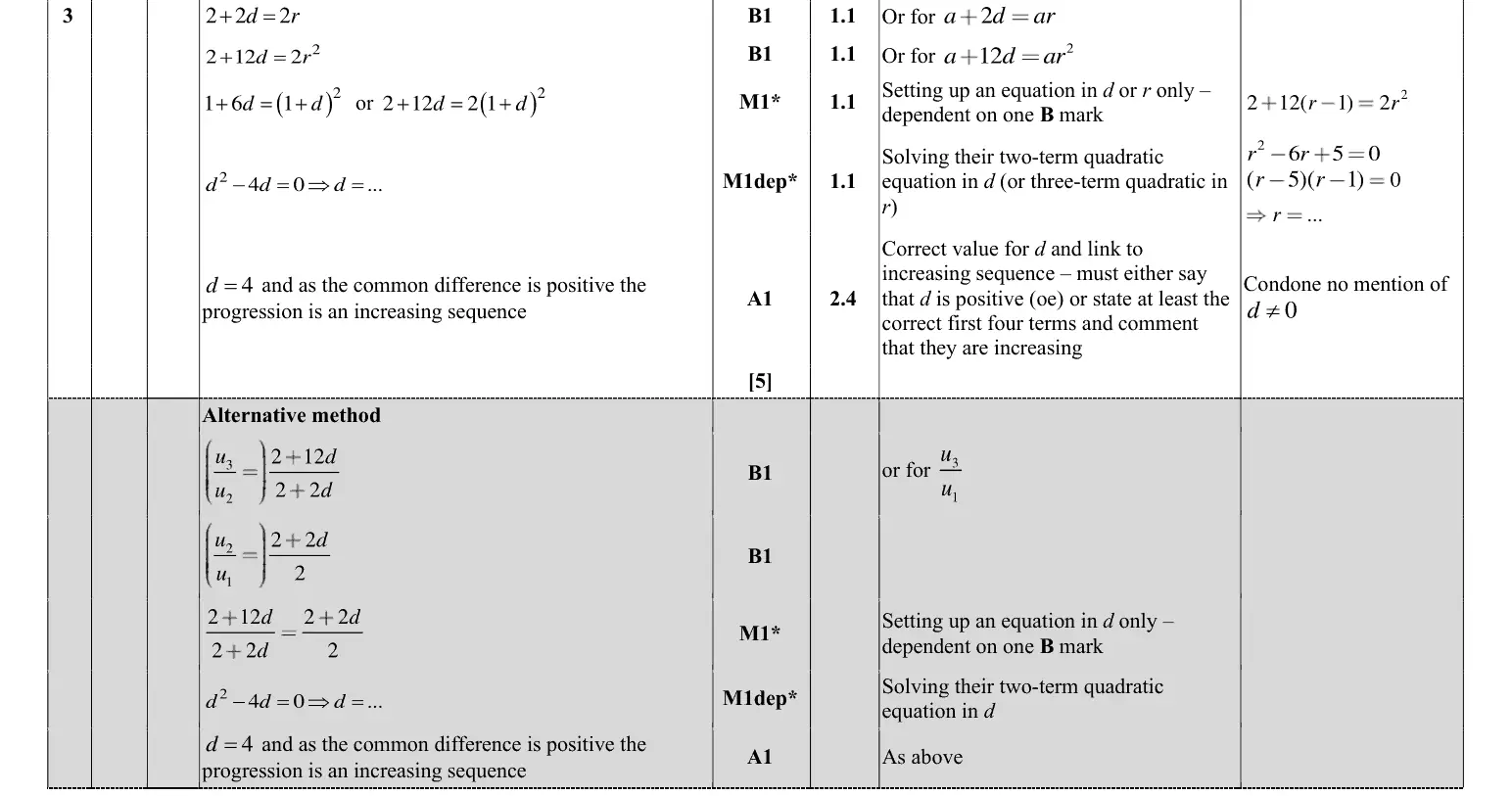
While most candidates could successfully set up and solve the required equations to find the value of d a number did not explain correctly why the value obtained implied that the sequence was increasing.


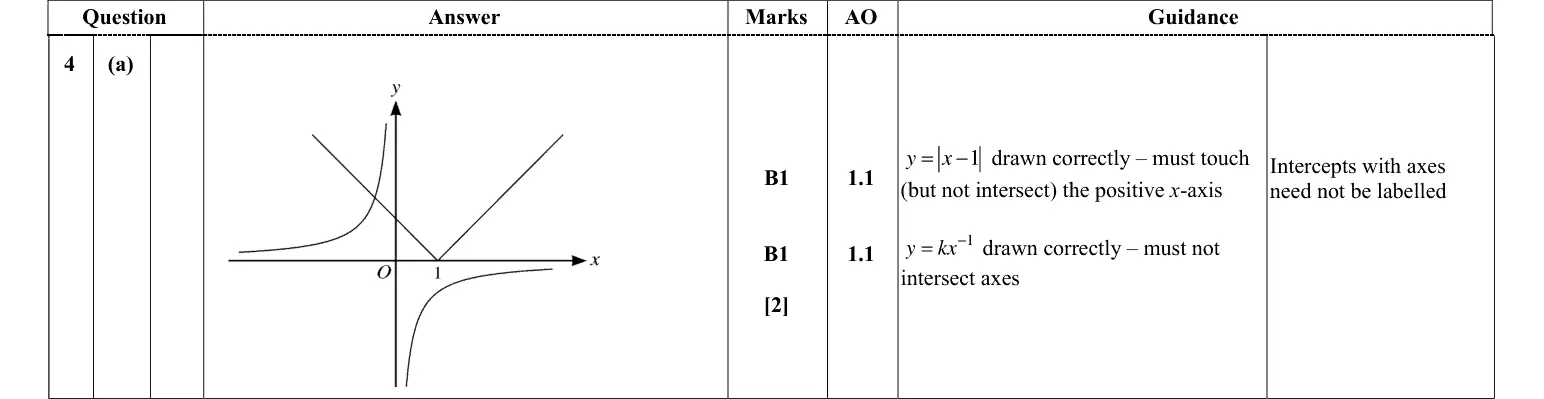
k y x 1 For the one mark available here it was not sufficient to simply say that because and y x x x 1 k had only one point of intersection that therefore the equation had only one real root. Candidates had to make a link between the two graphs and the corresponding equation.


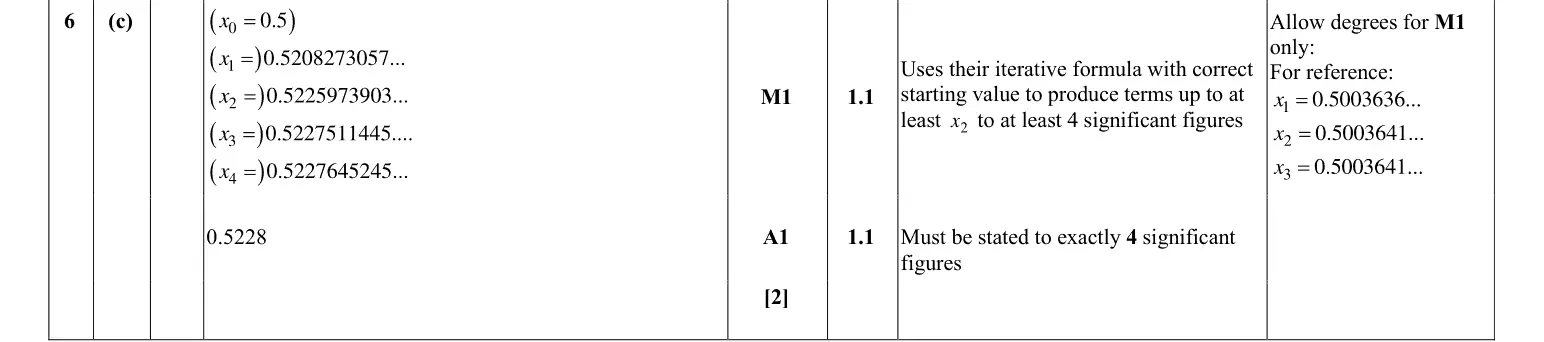
(From the general report) Conversely Questions 5(a), 6(c) and 14(b) specified the level of accuracy to give the final answer.


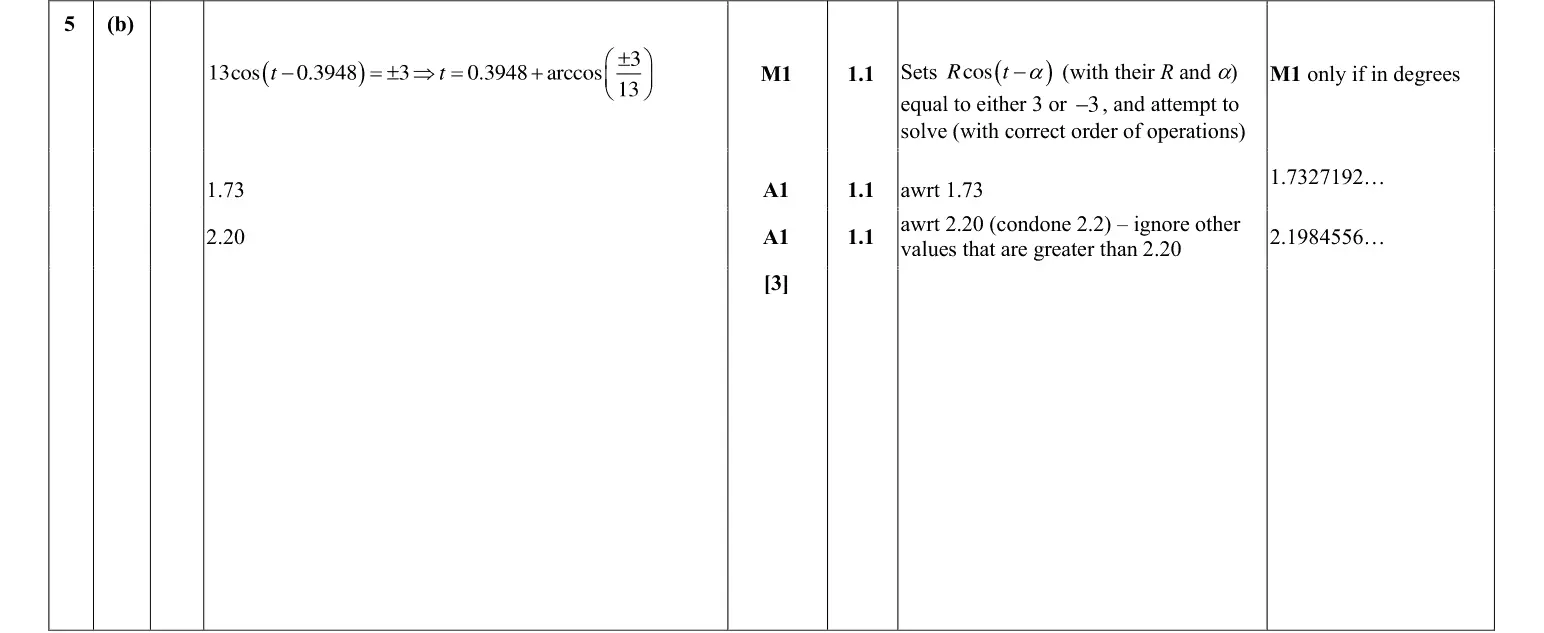
(Comment on Question 06 as a whole) It was clear that many candidates struggled with this question even though it was relatively routine in nature. The notation, arcsin, clearly confused some candidates even though it is given in the specification.

(Comment on Question 06 as a whole) It was clear that many candidates struggled with this question even though it was relatively routine in nature. The notation, arcsin, clearly confused some candidates even though it is given in the specification.

(Comment on Question 06 as a whole) It was clear that many candidates struggled with this question even though it was relatively routine in nature. The notation, arcsin, clearly confused some candidates even though it is given in the specification.



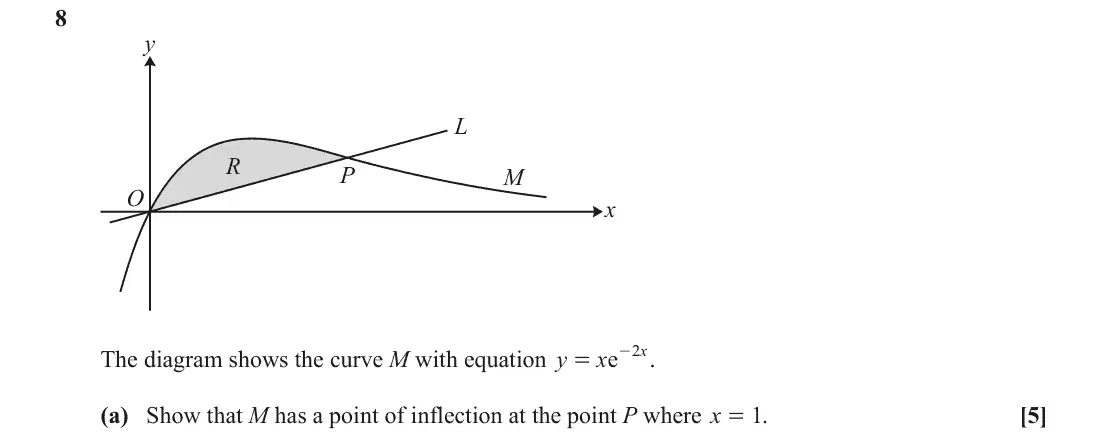
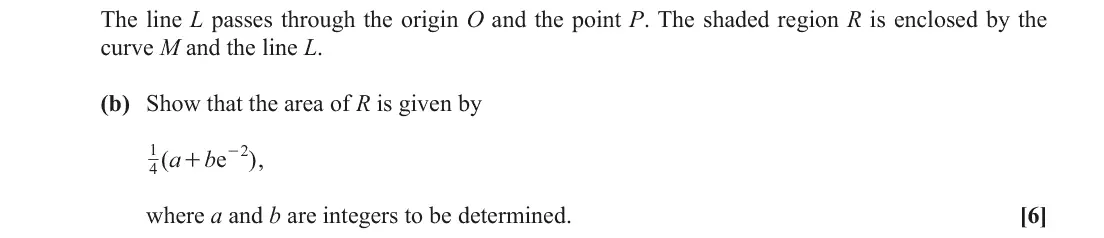

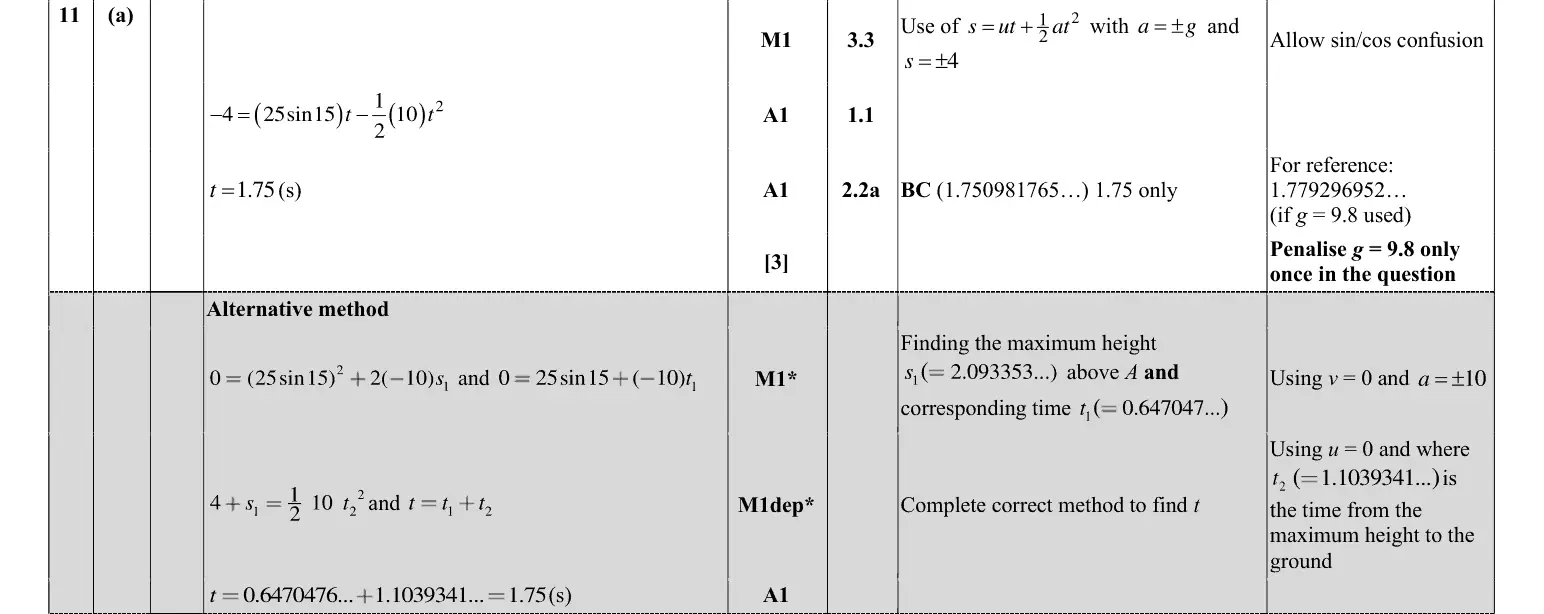
(From the general report) Question 9 states constant acceleration so ‘suvat’ can be used, whereas Question 13 has a variable force term so calculus must be used.

(From the general report) Question 9 states constant acceleration so ‘suvat’ can be used, whereas Question 13 has a variable force term so calculus must be used.
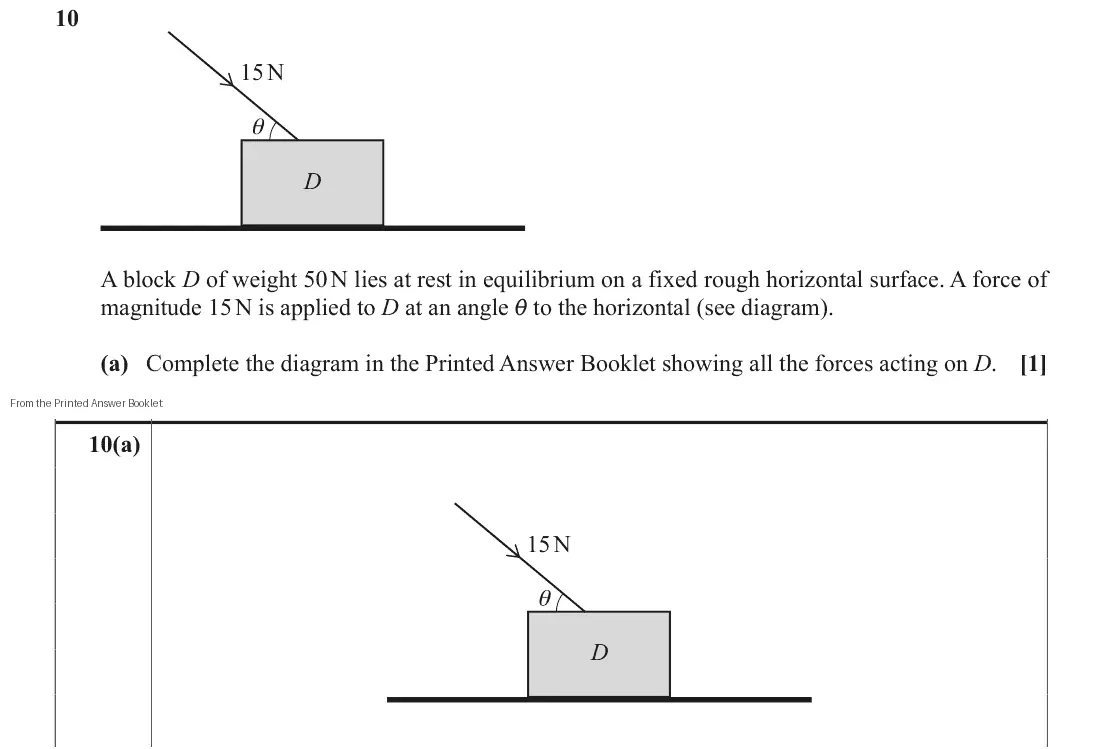

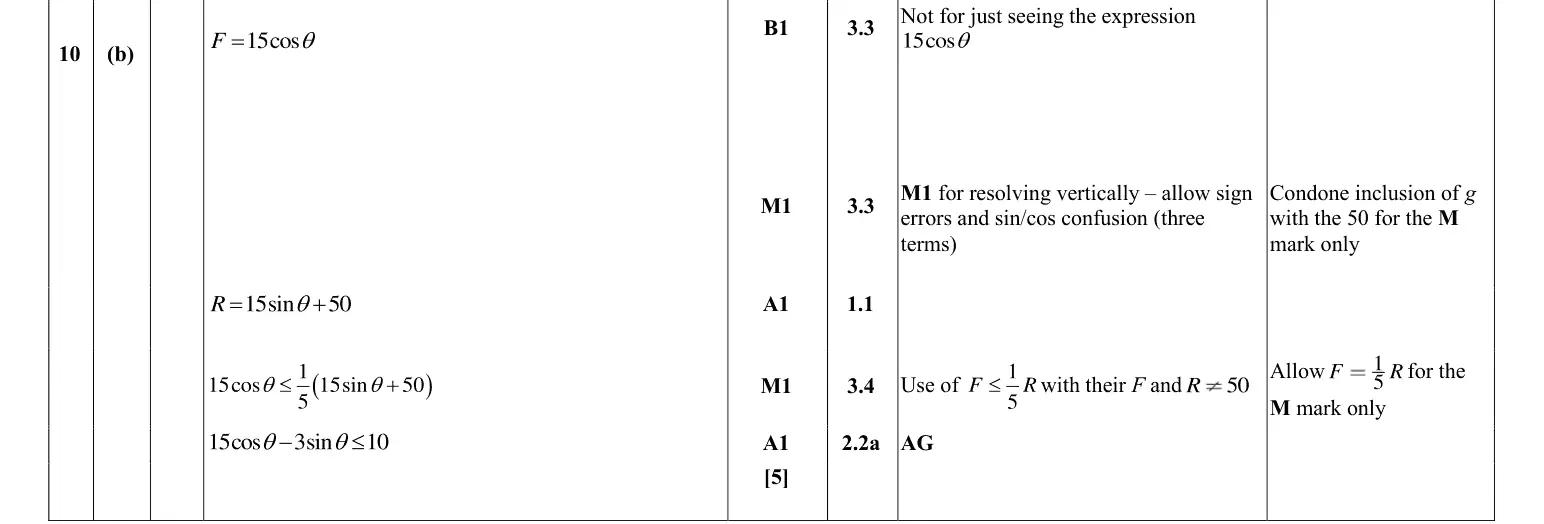
(From the general report) Themes in candidate responses in Section B Question 10(b) Misconception It was clear that in this question candidates had the misconception that as the ‘show that’ contained an inequality that this meant that the magnitude of the frictional contact force F was either F 15cos or F 15cos . As the block was at rest, the forces acting on the block horizontally were in F 15cos . balance and therefore As the block was not in limiting equilibrium then F 0.2 R and the normal contact force R could be found by R 15sin 50. resolving vertically (and if done correctly was given by ) Question 12(b) This was found to be the most demanding part of the paper.



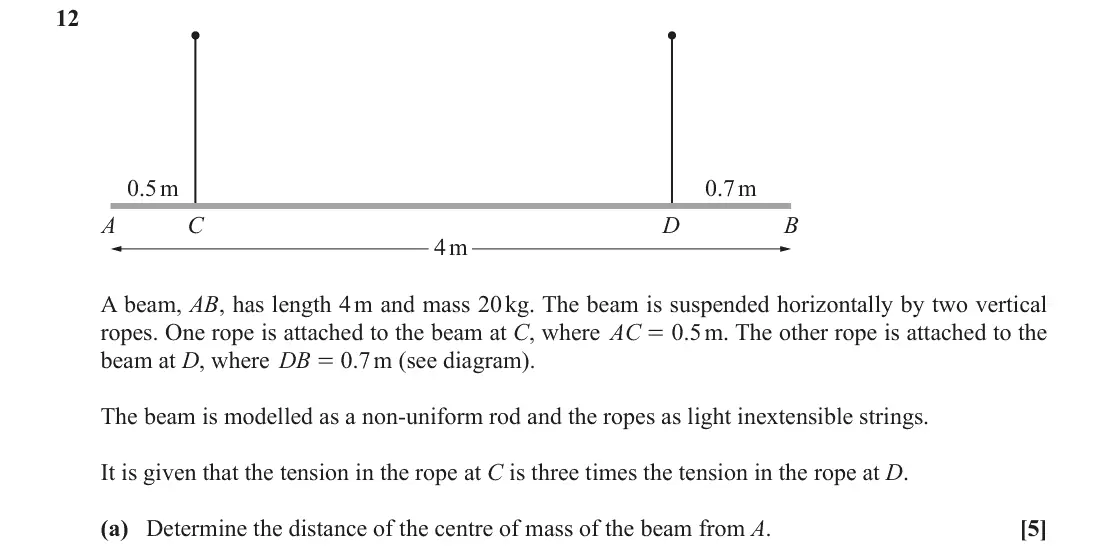

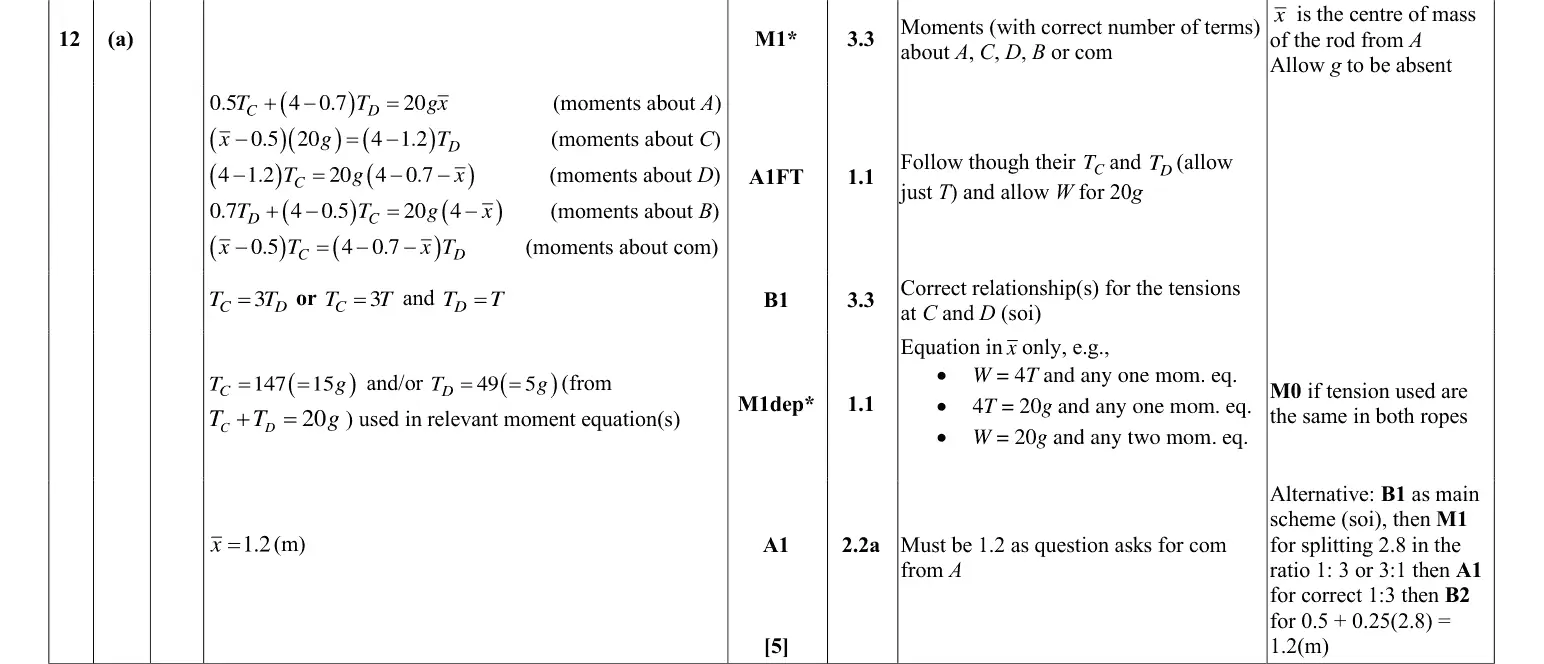
This was found to be the most demanding part of the paper. Most candidates did not realise that as the question asked for the largest possible value of m the most efficient way of finding this was to take moments about D as the tension in the rope at C would be zero. Most candidates who took moments about C still assumed the information about the relationship between the tensions in the two ropes from the stem to (a) still applied instead of realising that the tension in D would now be of magnitude 20 g mg .

(From the general report) Question 9 states constant acceleration so ‘suvat’ can be used, whereas Question 13 has a variable force term so calculus must be used.

(From the general report) Question 9 states constant acceleration so ‘suvat’ can be used, whereas Question 13 has a variable force term so calculus must be used.

(From the general report) Question 9 states constant acceleration so ‘suvat’ can be used, whereas Question 13 has a variable force term so calculus must be used.
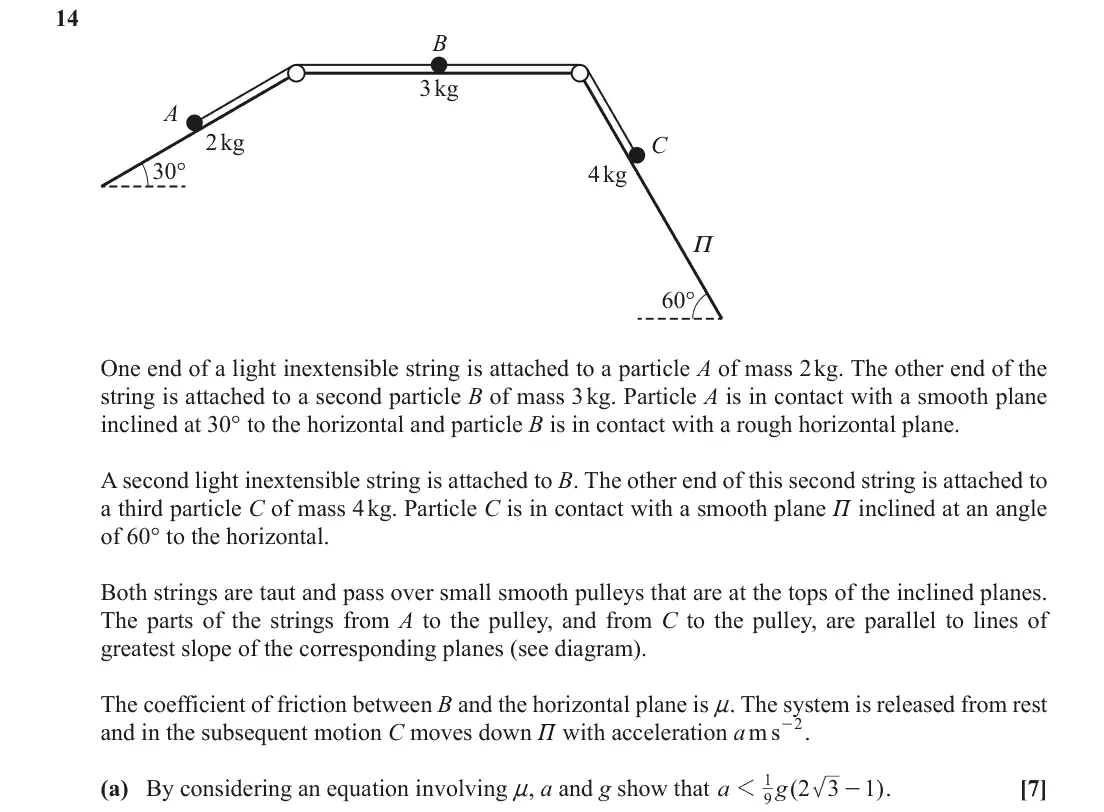
Candidates are reminded to read the question carefully as the question asked candidates to find an equation involving , a and g , many instead tried to find an inequality involving a and g only.

(From the general report) Question 14(b) Misconception The ‘magnitude of the contact force’ is not simply the sum of the frictional contact force F and the normal contact force R (or even just R ) but is given 2. by F R Supporting you Review of results If any of your students’ results are not as expected, you may wish to consider one of our review of results services.
Want this paper marked and gone through with you? Message us.