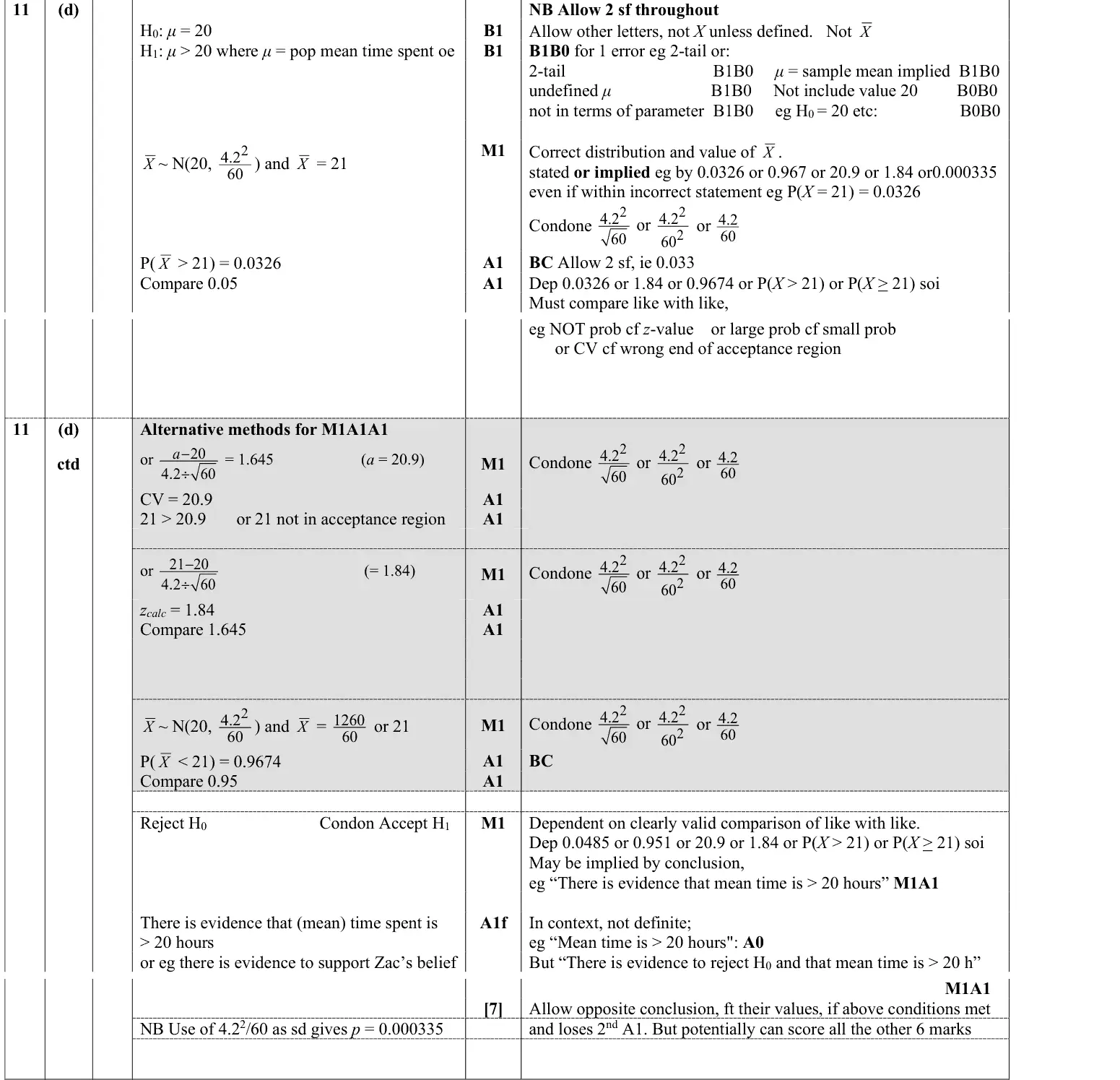
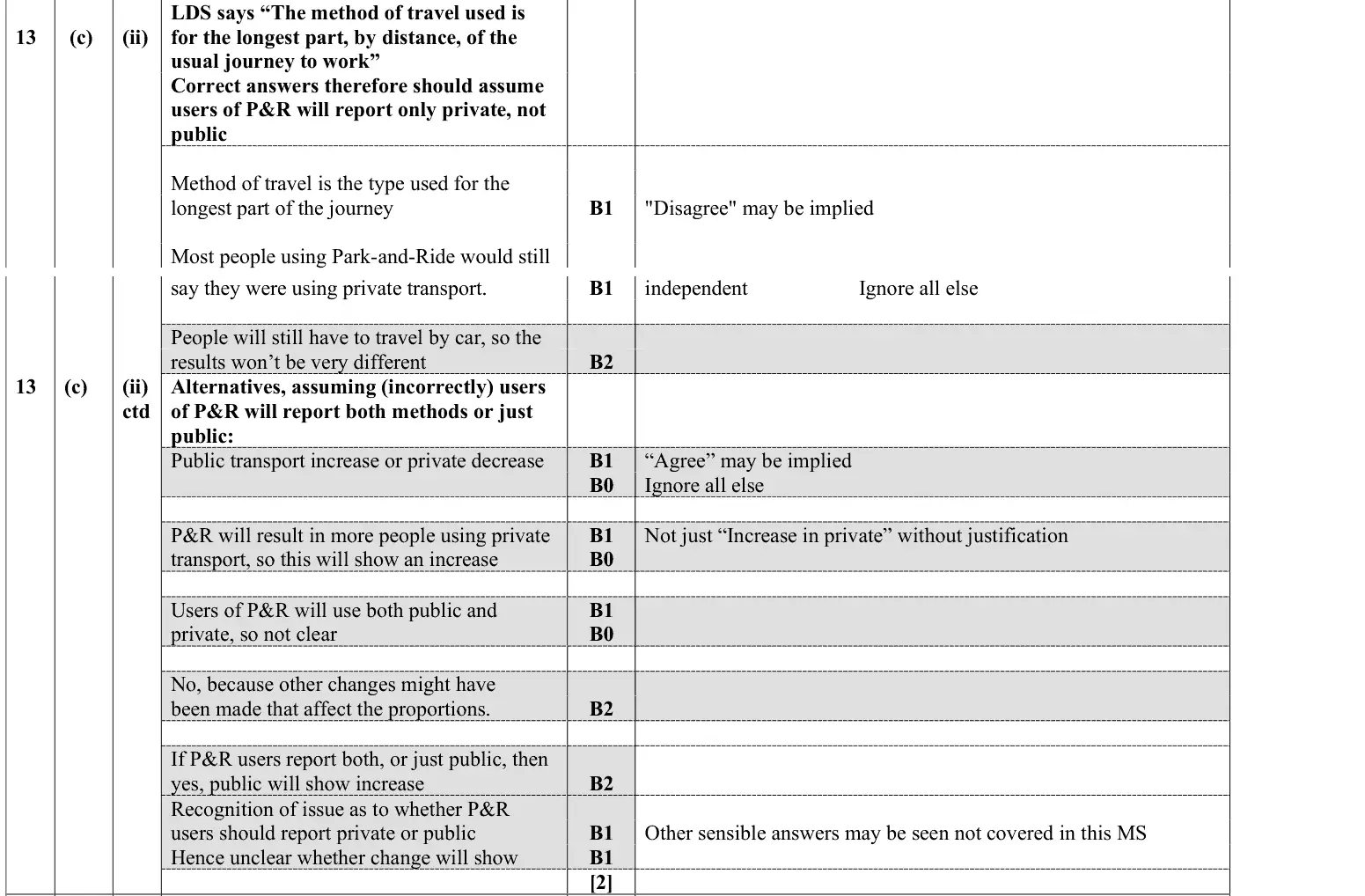
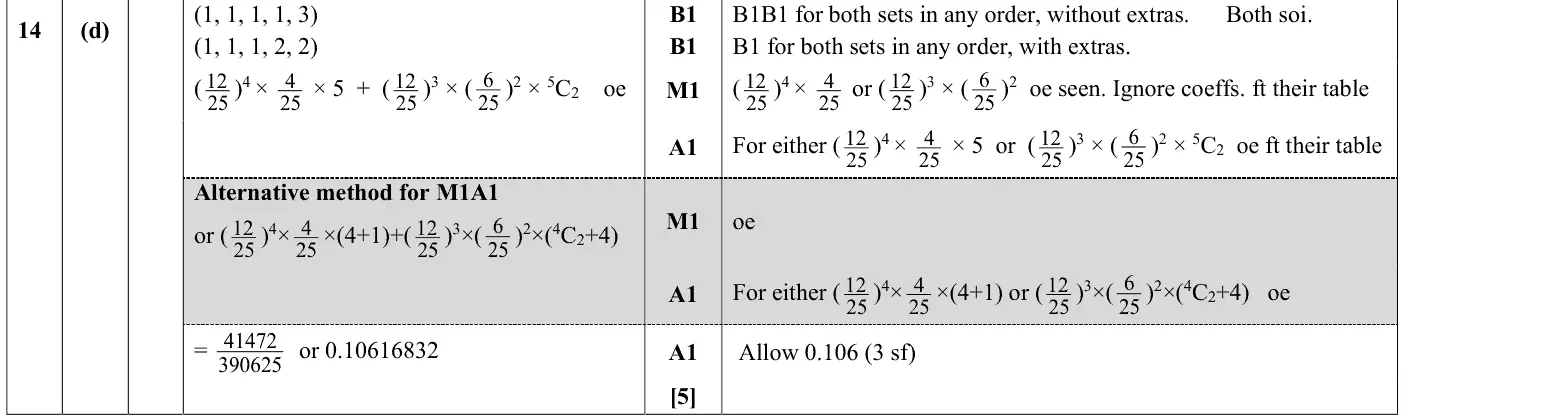
Mark scheme for this part

Key points and common errors
- −4e^(−4x)
- B1 for e^(−4x) seen in the answer, not in the denominator
100 marks · 39 question parts · Question paper, mark scheme and examiner's report on OCR's site

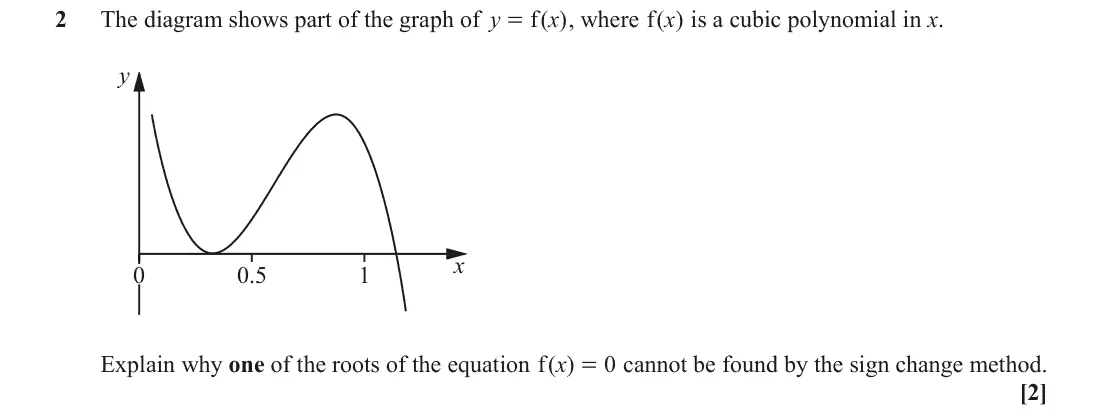
(From the general report) Common misconceptions Misconceptions Question 2: Many candidates considered the change of sign of the gradient, rather than the change of sign of f(x).

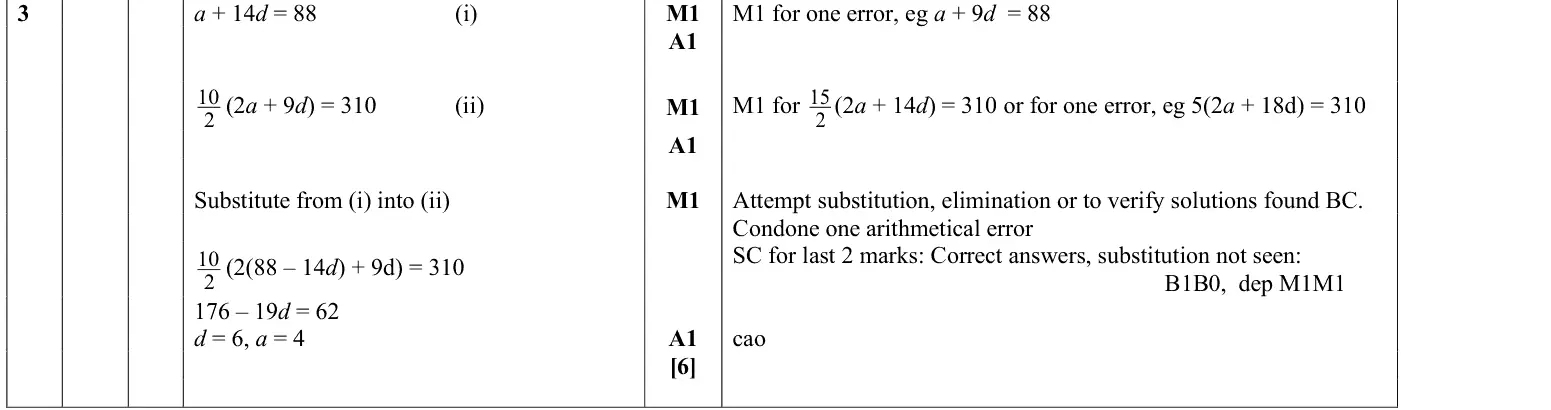
(From the general report) Comments on responses by question type Question 3: Some candidates treated 88 as the last term of the 10 terms whose sum is 310. For example, in Question 3, some candidates obtained the correct two linear equations, and then used the relevant calculator function to write down the answers, without showing a substitution or elimination method.

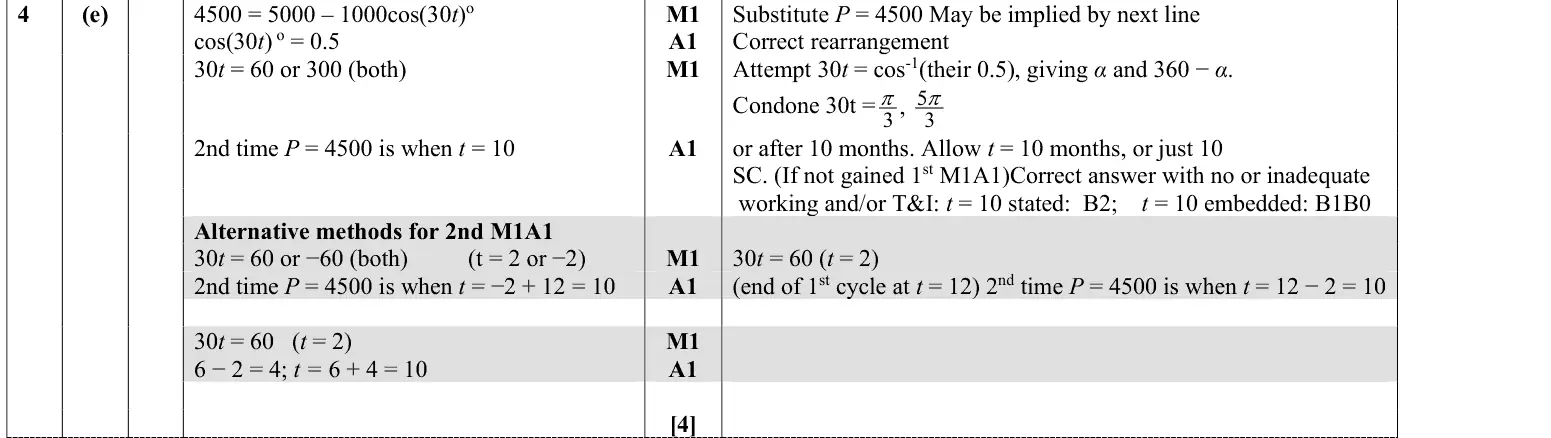
(From the general report) Question 4(a): Some candidates assumed that, because P = 5000 − some quantity, the maximum size of P is 5000.





(From the general report) Question 4(f): Some candidates appeared not to understand how to address some aspects of Assessment Objective AO3 (please see section ‘3b.

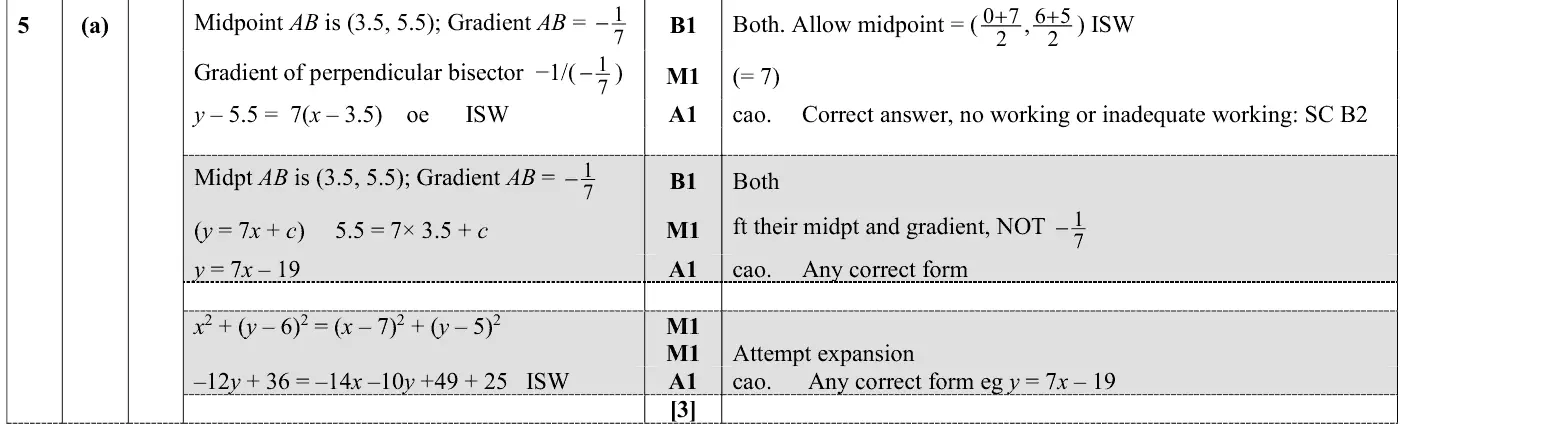
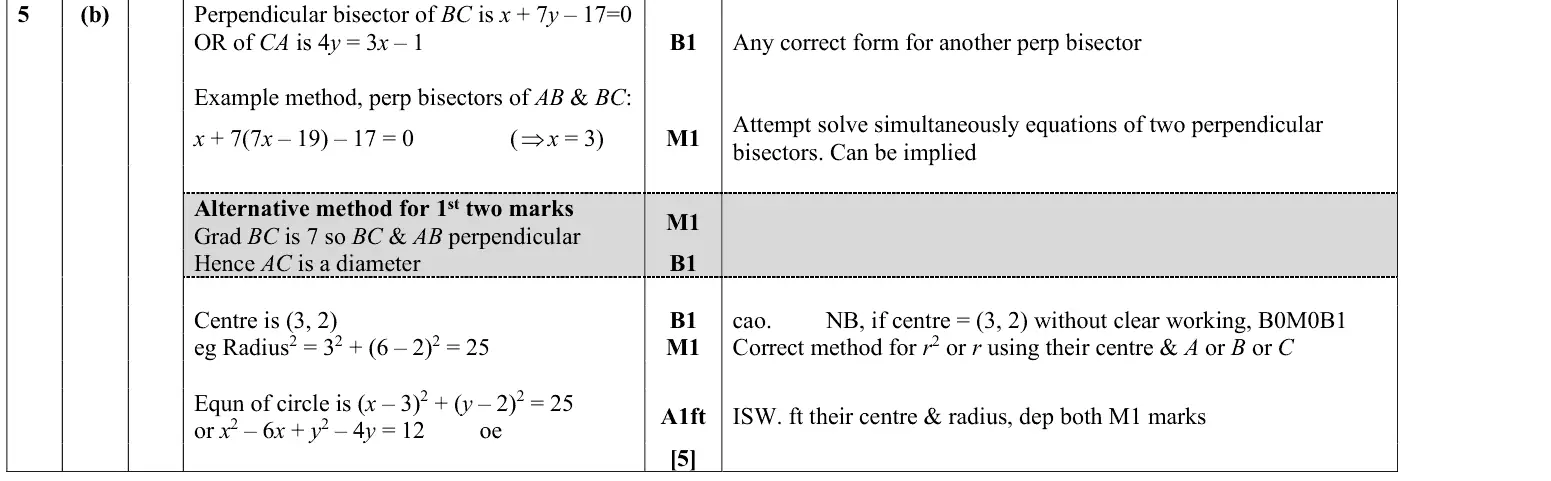
(From the general report) Question 5: Most candidates coped well with part (a), but many made no headway with part (b).

(From the general report) Question 5: Most candidates coped well with part (a), but many made no headway with part (b).
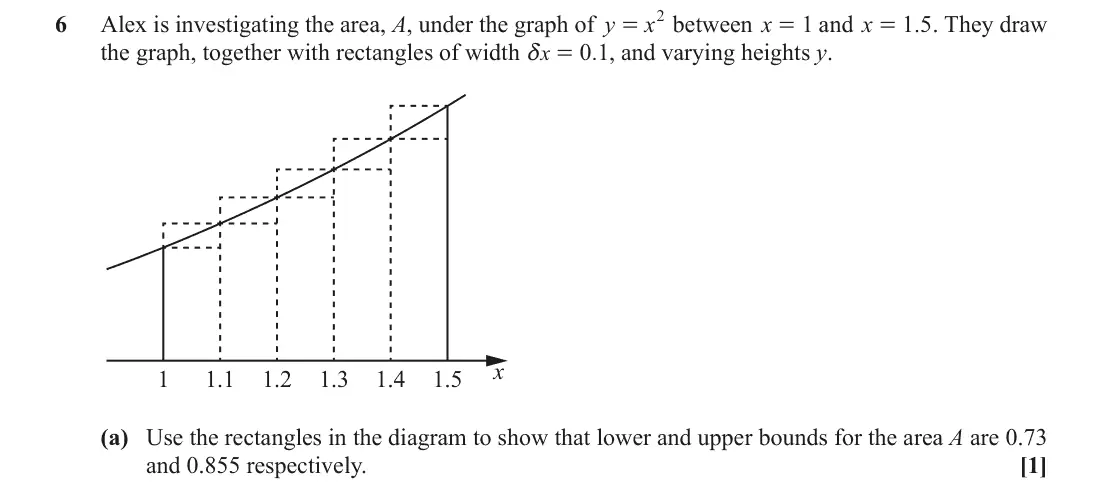
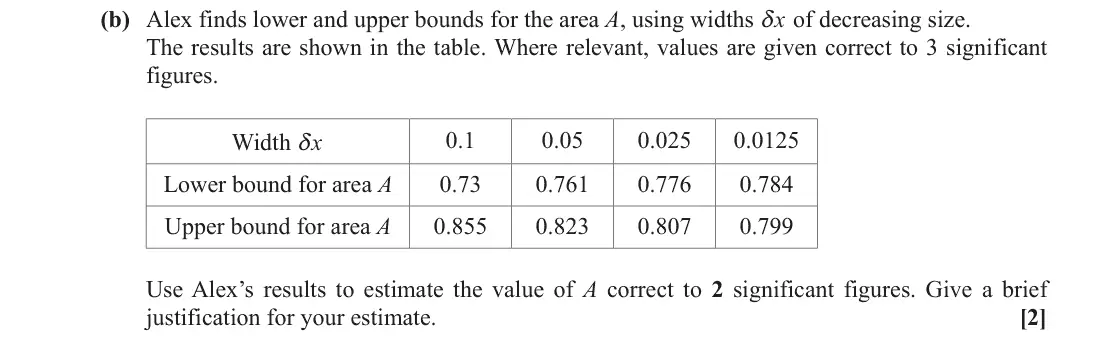
(From the general report) Question 6(b): Many candidates attempted to use the trapezium rule, which did not answer the question that was asked.

(From the general report) Question 6(c): Very few candidates understood what was required.

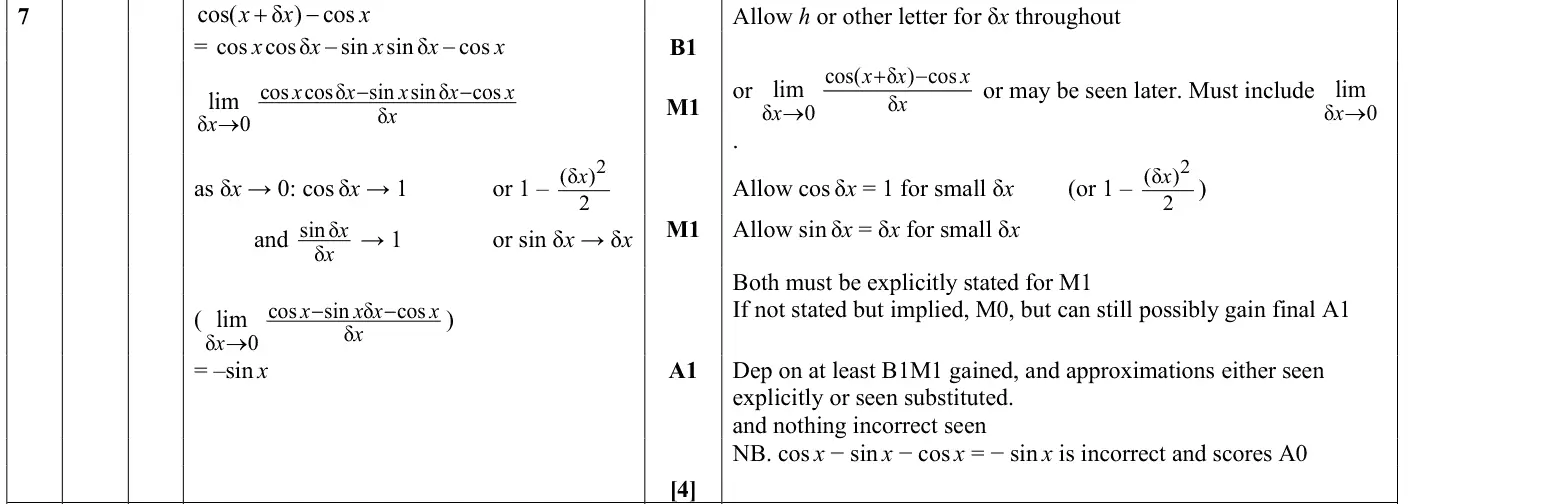
(From the general report) Question 7: Most candidates knew how to start and gained at least 2 marks. However, it is worth noting that the total number of questions requiring verbal rather than numerical answers is a little more than in the corresponding papers in 2019 and 2020. (But note that this precedent may or may not be followed in future papers.) When using this paper as a mock, it is important to make use of the published mark scheme, particularly for Questions 7, 8(b) and 13.


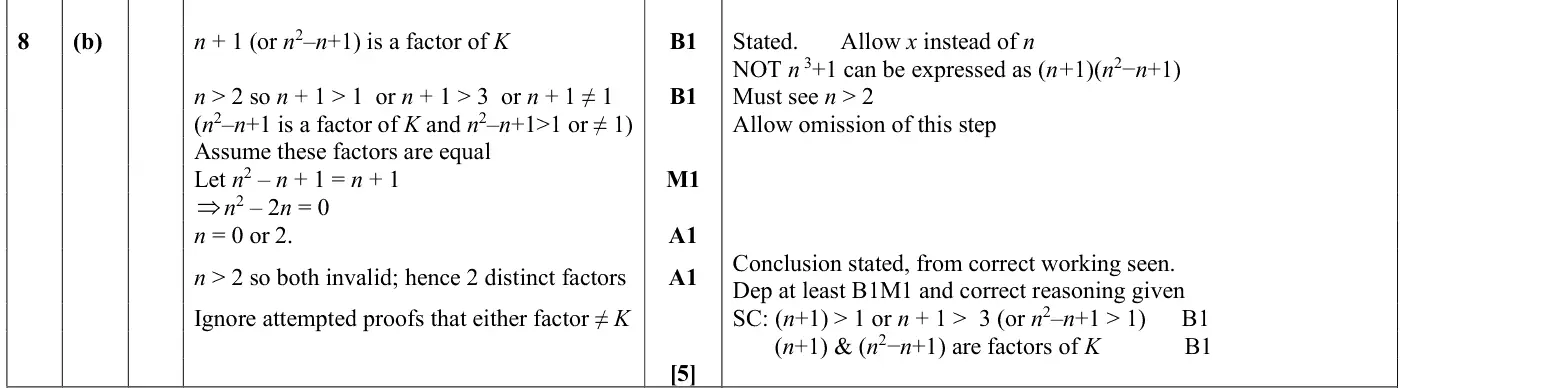
(From the general report) Question 8(b): Many candidates missed the point of this question – namely that part (a) provides two factors of K. Question 8(b): Many candidates misinterpreted the question.
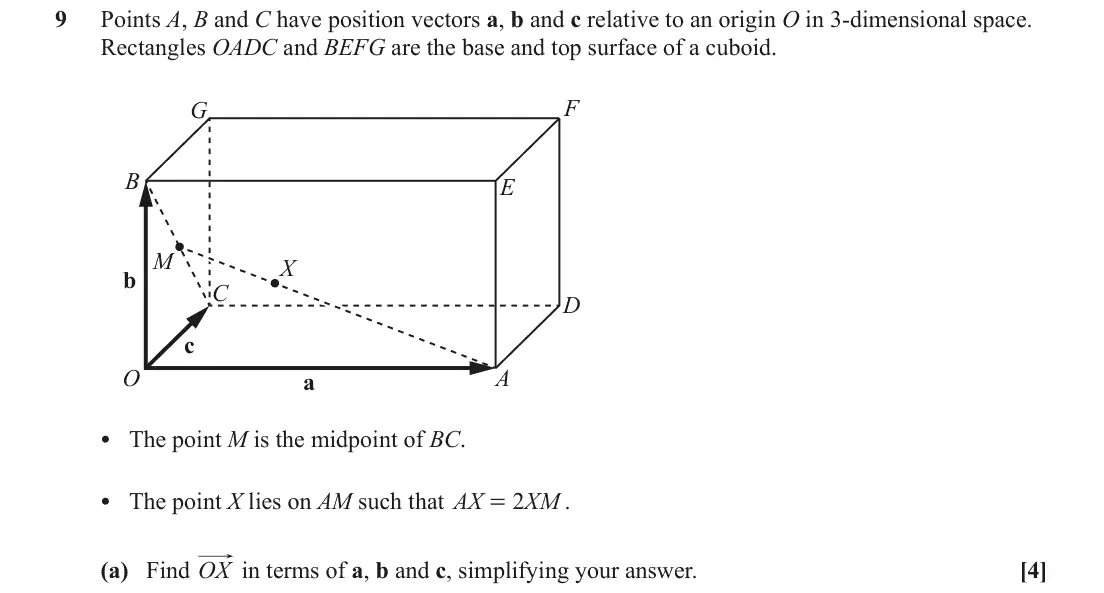
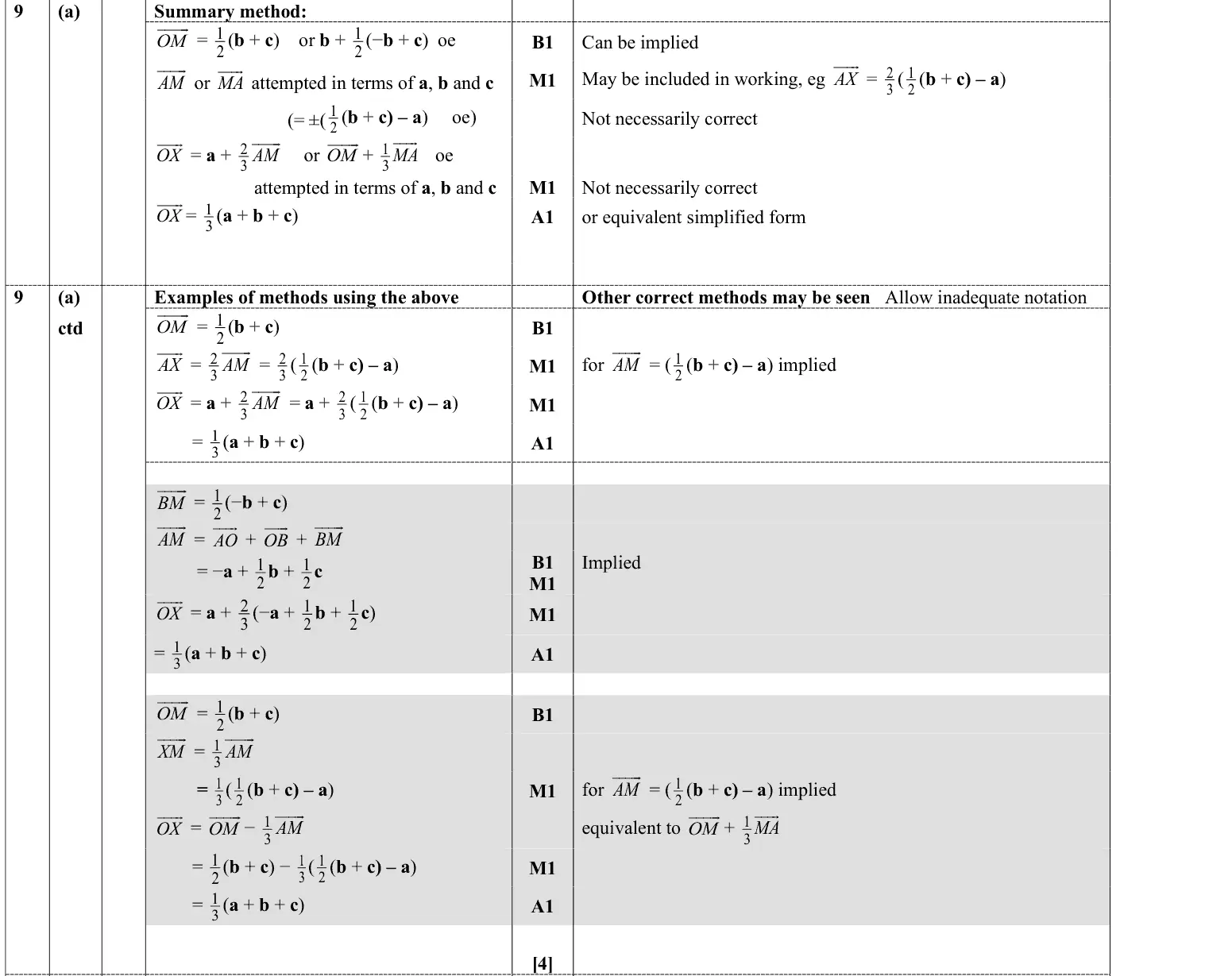
(From the general report) Question 9(a): Some candidates attempted ’lengths’ of vectors, rather than 1 2 2 vectors themselves.

(From the general report) Question 9(b): Most candidates correctly noted that OF = a + b + c, and that consequently OF is a multiple of OX .

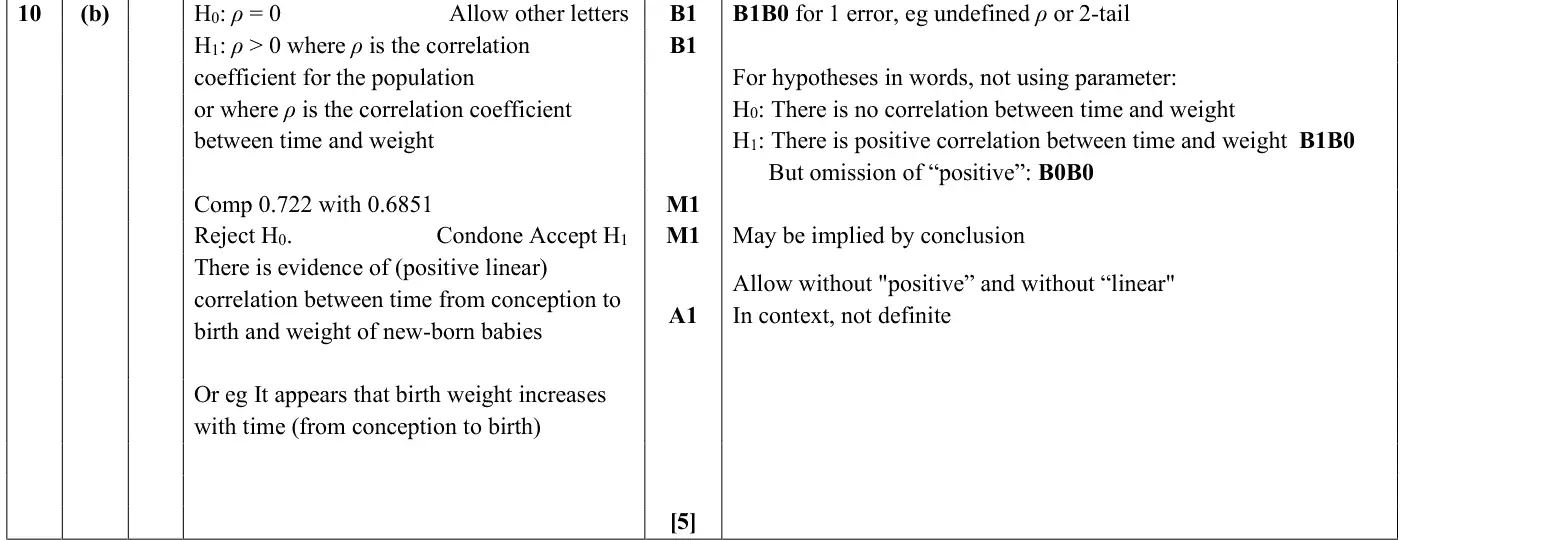
(From the general report) Question 10(a): Many candidates gave a general answer, perhaps learned by rote: “Because the researcher is looking for either an increase or a decrease, not both.” This does not reflect the actual context of the question, so did not gain the mark.
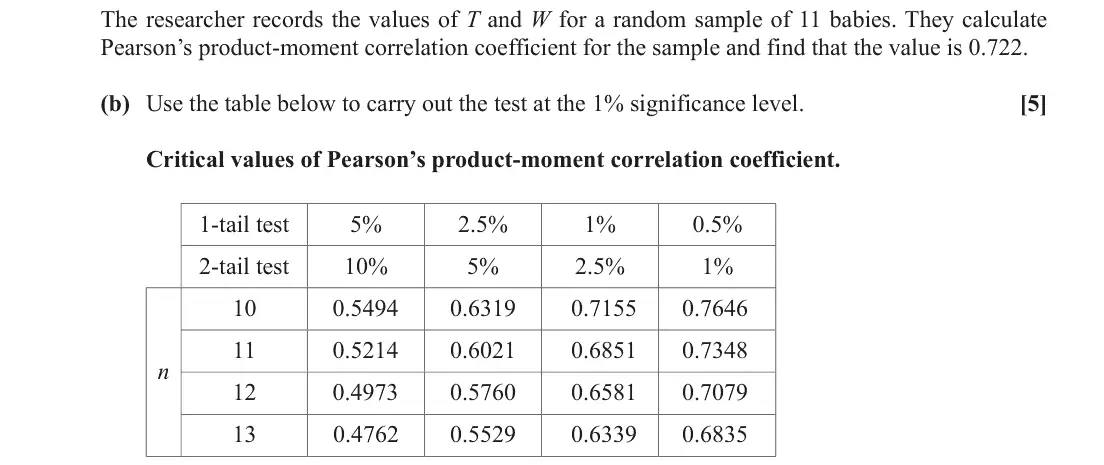
(From the general report) When carrying out the hypothesis tests (in Questions 10(b) and 11(d)), many candidates did not define the relevant parameter clearly, thus losing a mark. Question 10(b) and 11(d): One difficult feature of hypothesis testing is that in some cases the calculated value of the statistic is significant when it is greater than the critical value, whereas in other cases the calculated value is significant when it is less than the critical value.


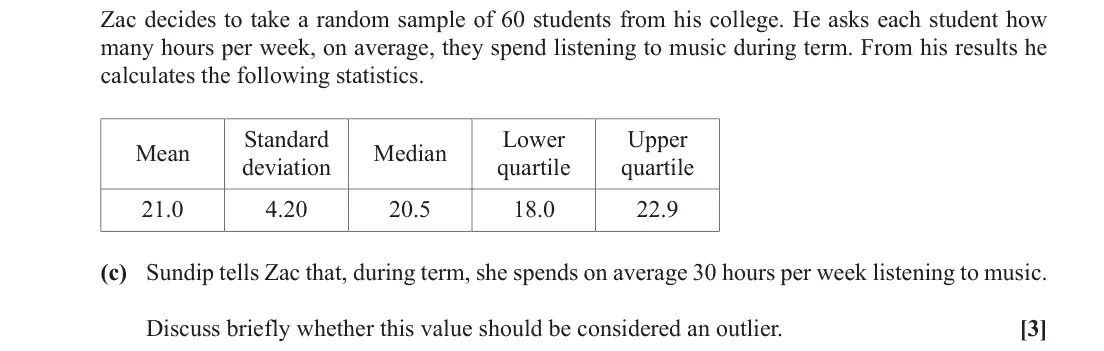
(From the general report) Question 11(c): The specification (paragraph 2.02j) gives two definitions for an outlier.
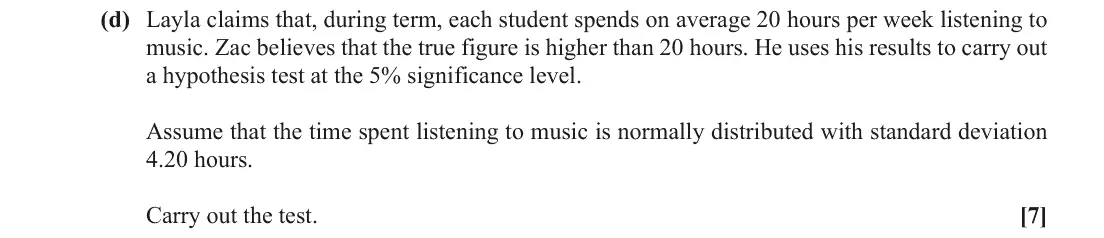
(From the general report) Question 11(d): Many candidates used the sample mean, 21, as the mean of the distribution, rather than the suggested population mean of 20.
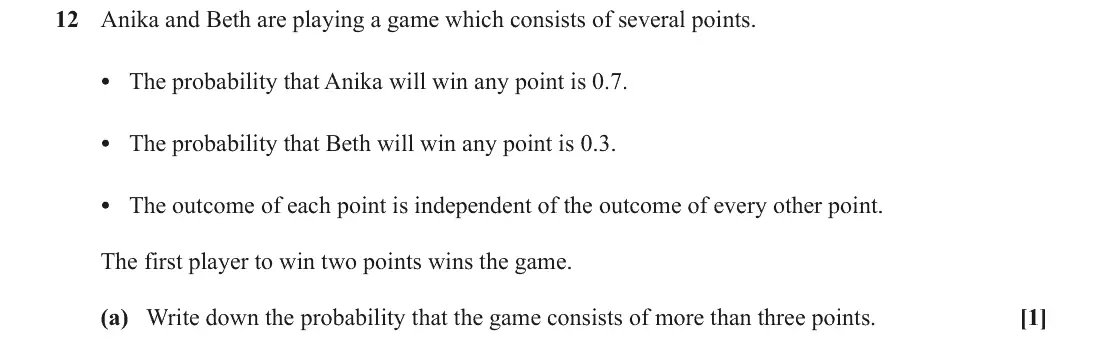
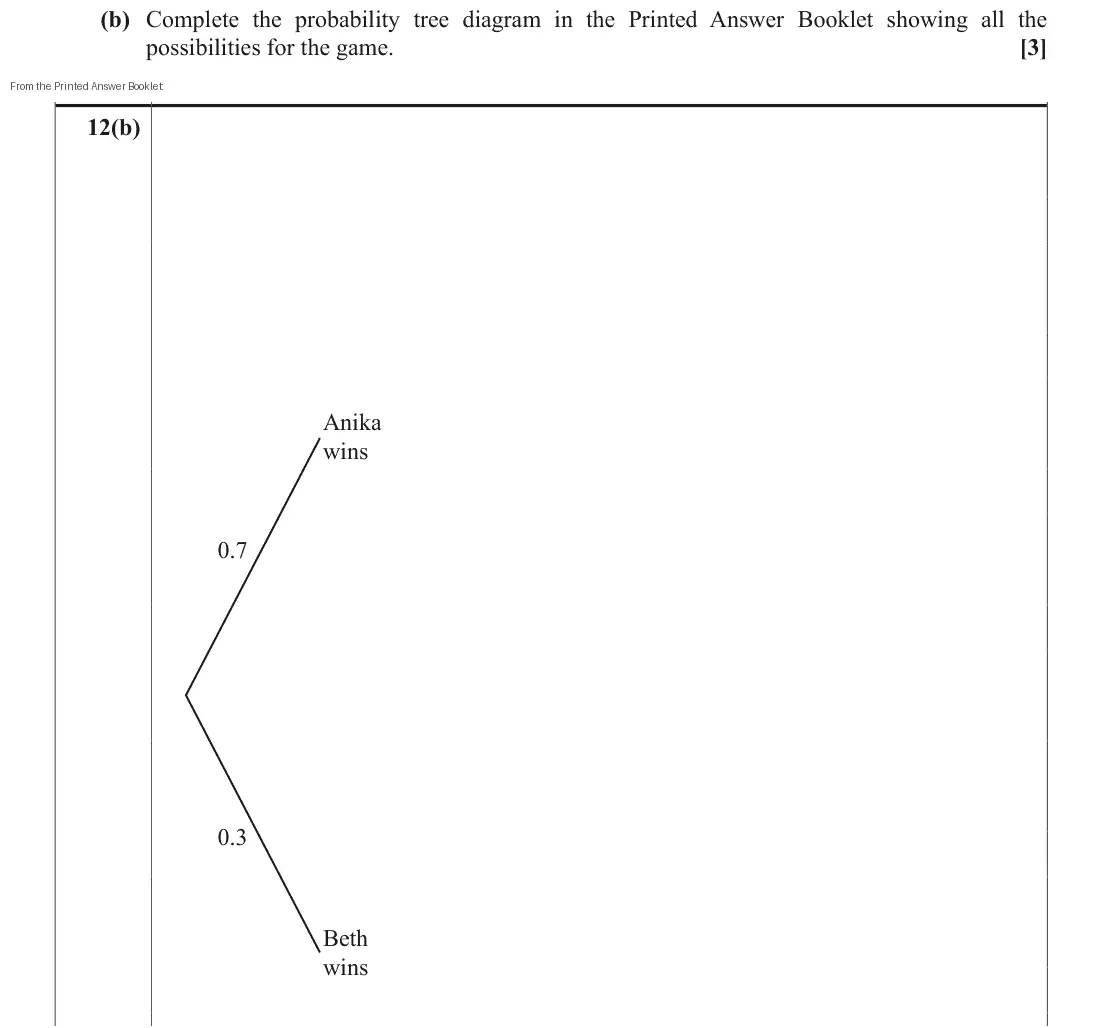



(From the general report) Question 12(e): A common error in the numerator was to use P(AB) = P(A) × P(B) rather than P(A B) = P(A) × P(B/A), i.e. in this case the numerator was incorrectly evaluated using 0.216 × 0.42 instead of 2 × 0.32 × 0.7.
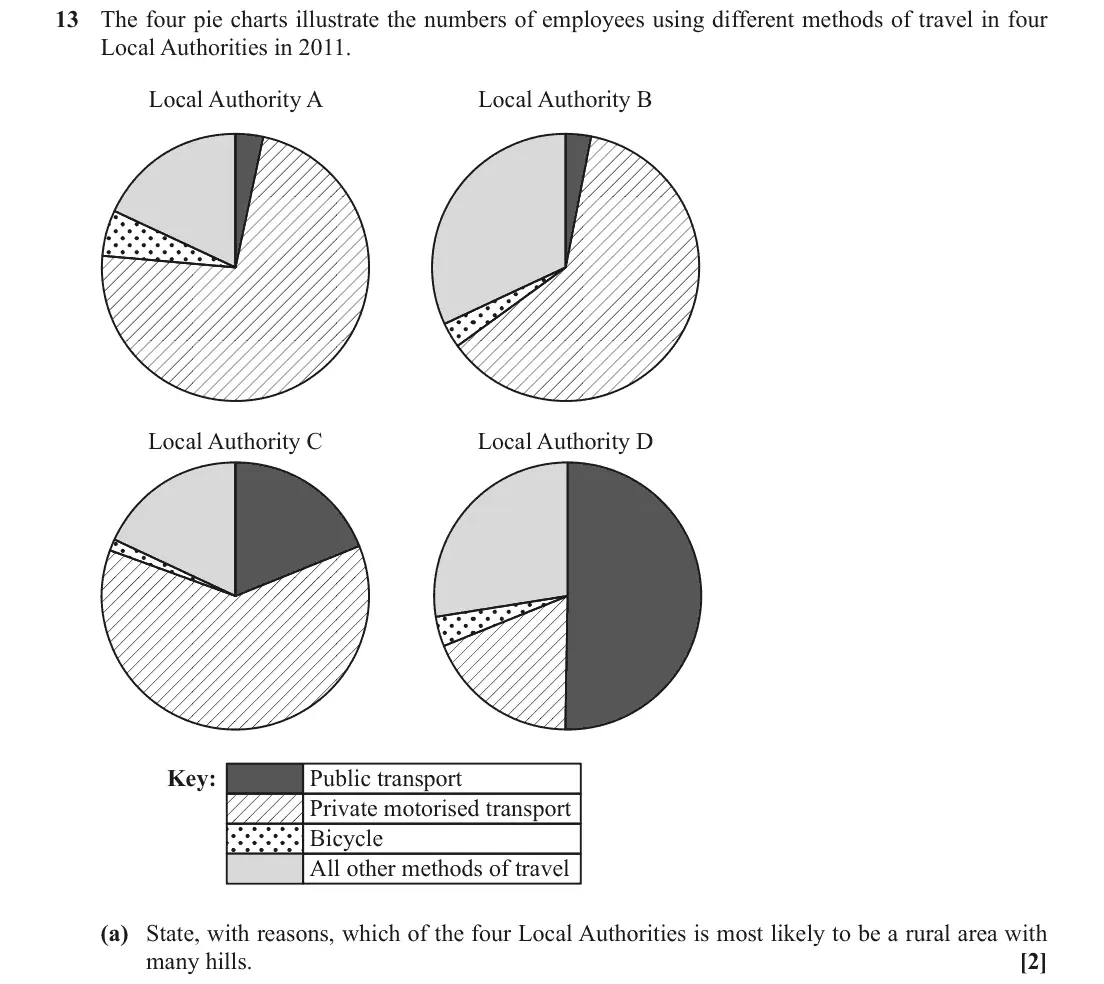
(From the general report) Question 13: Because questions of this kind generally involve inference, rather than deduction, there is not always one single, precisely correct answer to any particular question. OCR support Guidance for working with questions based on the Large Data Set, like Question 13, is provided in our Notes on the large data set resource.

(From the general report) Question 13: Because questions of this kind generally involve inference, rather than deduction, there is not always one single, precisely correct answer to any particular question. OCR support Guidance for working with questions based on the Large Data Set, like Question 13, is provided in our Notes on the large data set resource.

(From the general report) Question 13: Because questions of this kind generally involve inference, rather than deduction, there is not always one single, precisely correct answer to any particular question. OCR support Guidance for working with questions based on the Large Data Set, like Question 13, is provided in our Notes on the large data set resource.

(From the general report) Question 13(c)(ii): Most candidates appeared to be unfamiliar with the comment in row 21 of the Information Sheet at the beginning of the Large Data Set: “The method of travel used is for the longest part, by distance, of the usual journey to work.” They assumed that employees using the Park and Ride would report both methods of travel in the census.
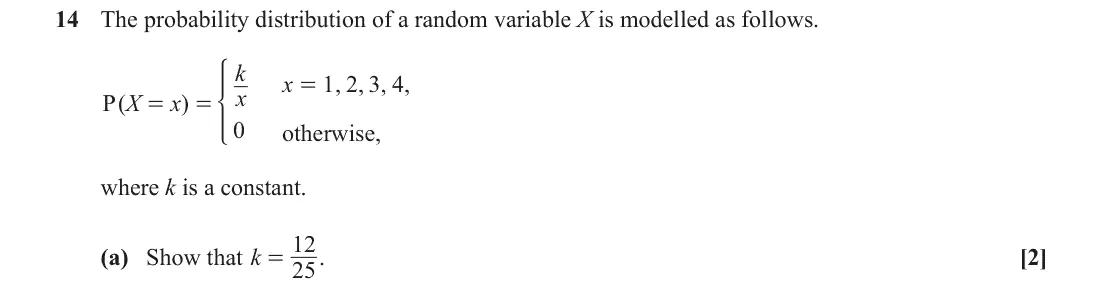


(From the general report) Question 14(c): A common misconception was to interpret P(X1 > X2 + X3) to mean that it is required to find three values of X such that the probability of the 1st value is greater than the sum of the probabilities of the 2nd and 3rd values.

Want this paper marked and gone through with you? Message us.