June 2019: Paper 1: Pure Mathematics

100 marks · 33 question parts · Question paper, mark scheme and examiner's report on OCR's site

Question by question

QTopicMarksDifficulty
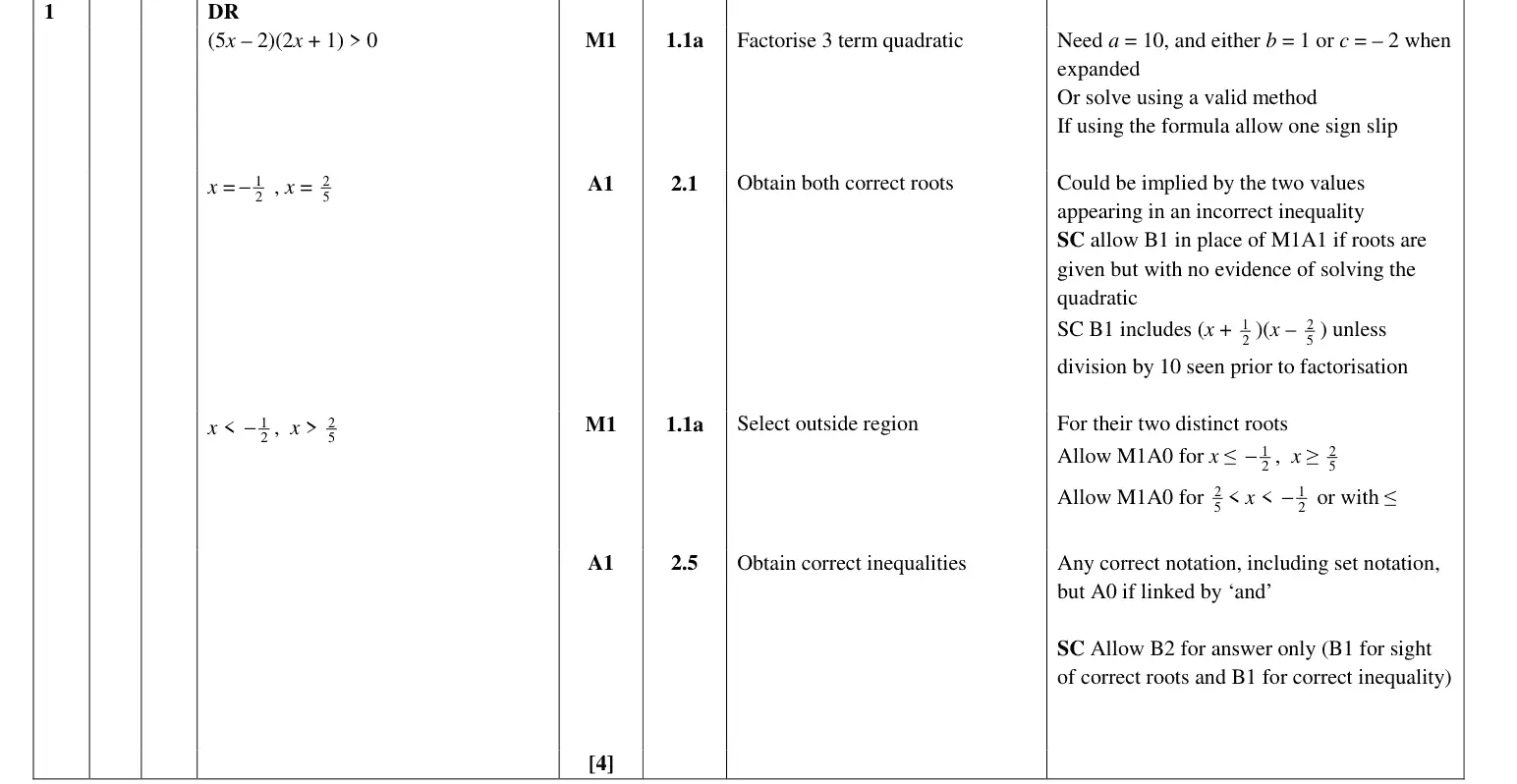
1 Inequalities, Quadratics and the discriminant 4 Easy
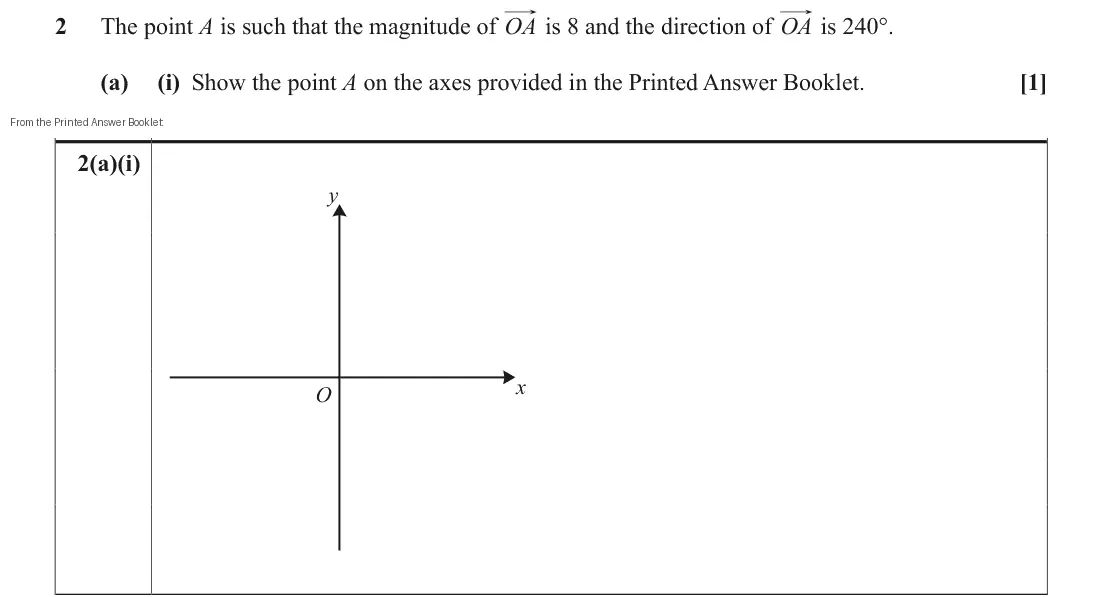
2(a)(i) Vectors 1 Hard
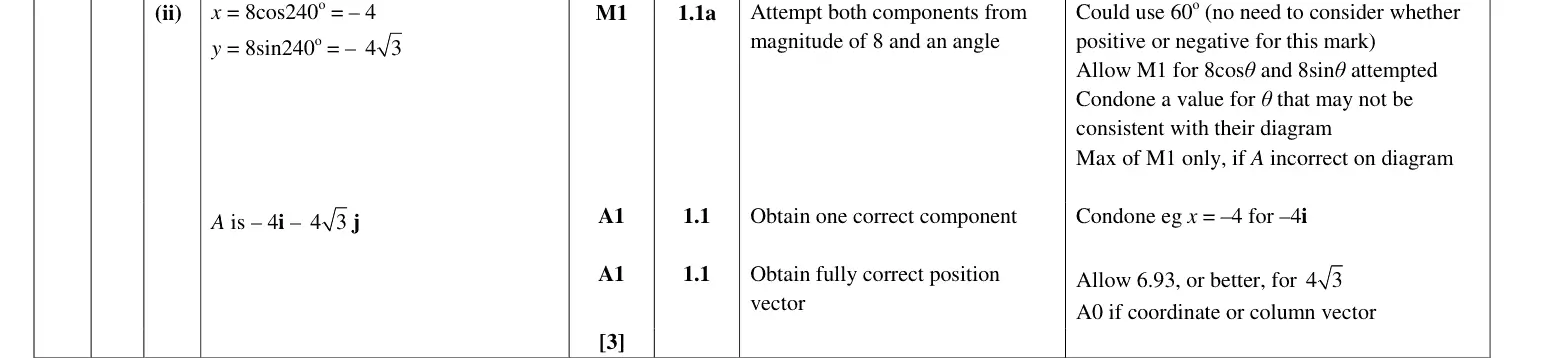
2(a)(ii) Vectors, Trigonometric ratios, graphs, radians and the sine and cosine rules 3 Medium
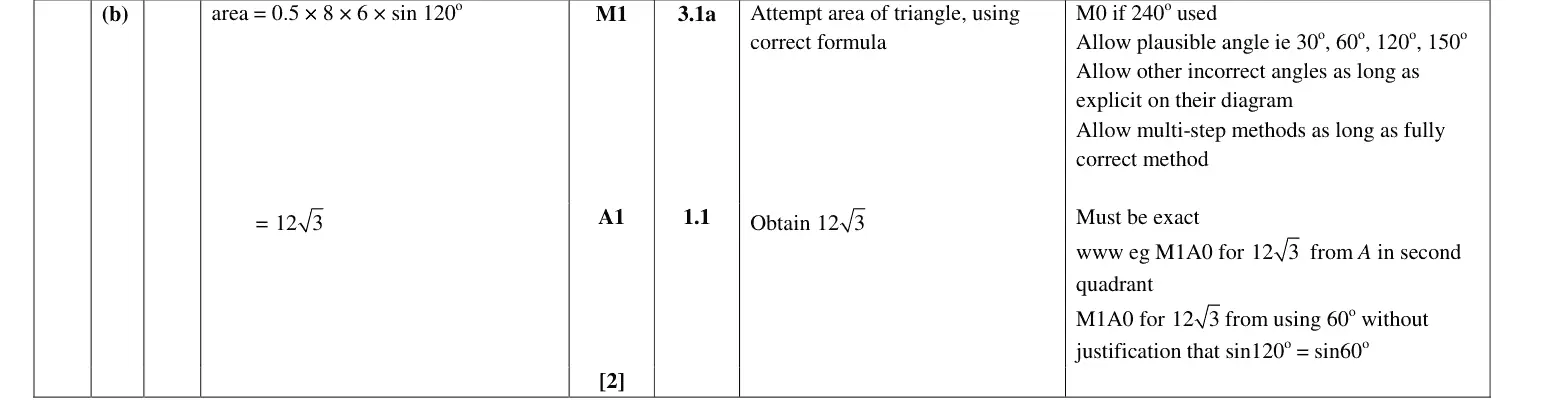
2(b) Trigonometric ratios, graphs, radians and the sine and cosine rules, Vectors 2 Medium
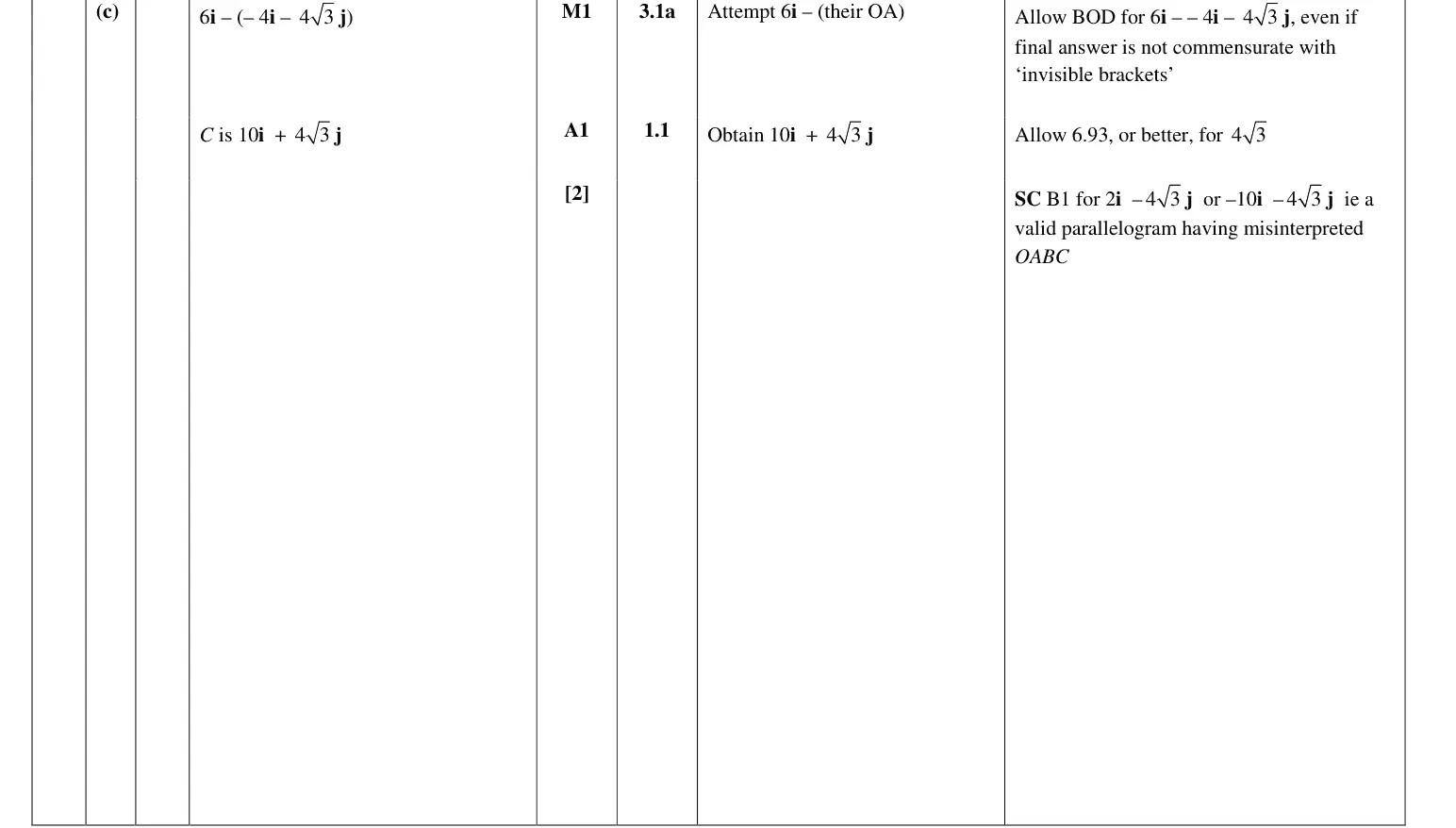
2(c) Vectors 2 Medium
3(a) Functions, composite and inverse functions, modulus, Quadratics and the discriminant 1 Hard
3(b) Functions, composite and inverse functions, modulus 2 Hard
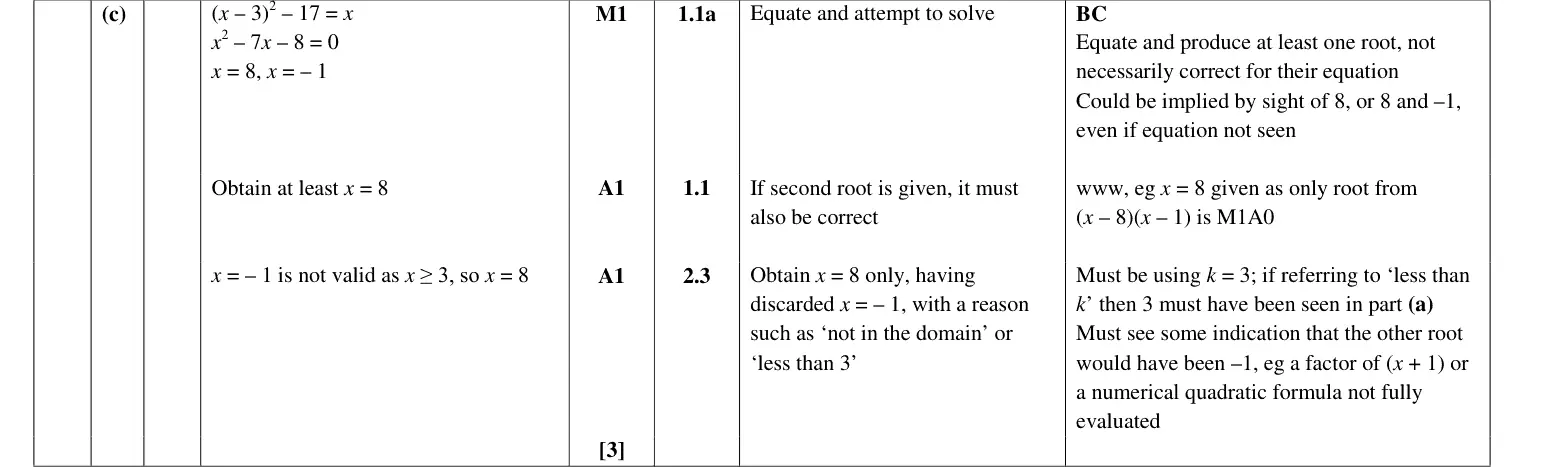
3(c) Functions, composite and inverse functions, modulus, Quadratics and the discriminant 3 Medium
3(d) Functions, composite and inverse functions, modulus 1 Medium
4(a) Sequences and series 2 Easy
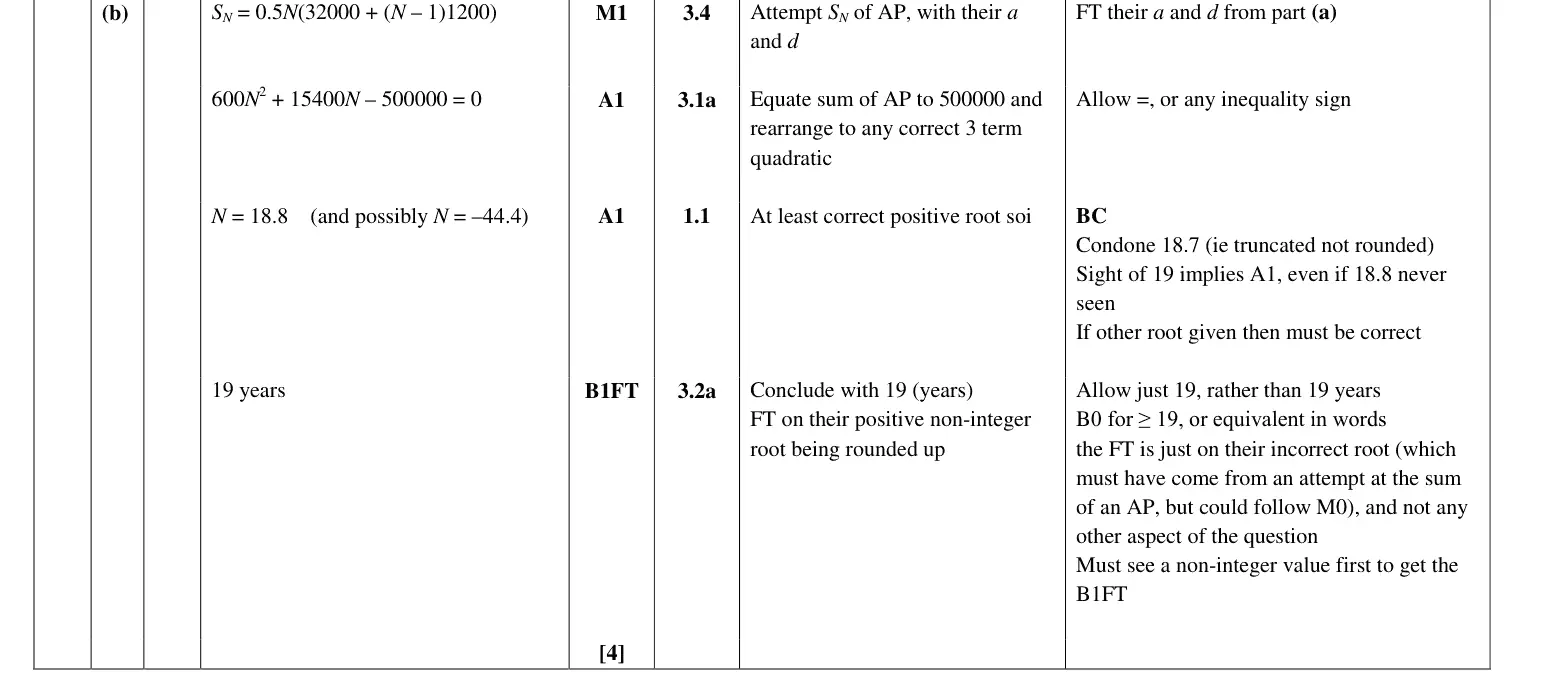
4(b) Sequences and series, Quadratics and the discriminant 4 Easy
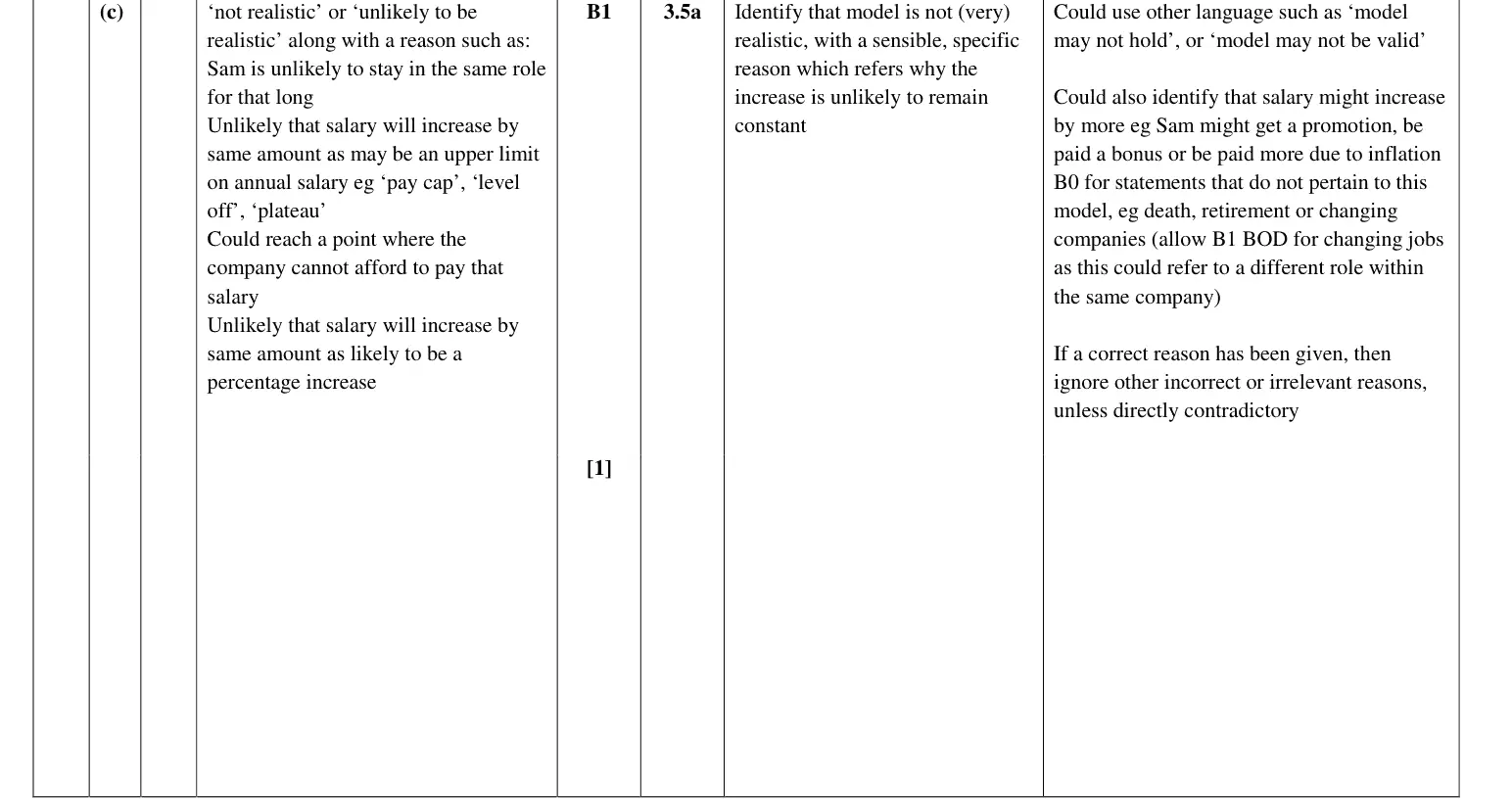
4(c) Sequences and series 1 Medium
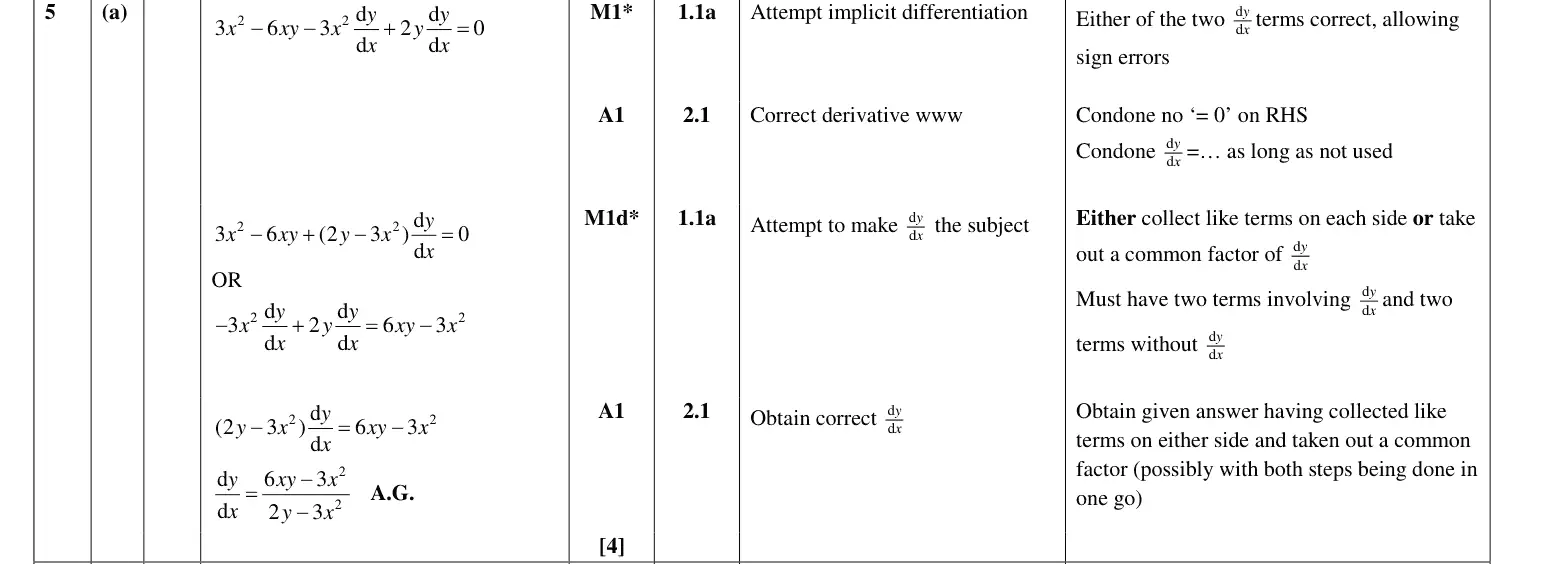
5(a) Implicit and parametric differentiation, Chain, product and quotient rules; connected rates of change 4 Easy

5(b) Differentiation: first principles, gradients, stationary points, Implicit and parametric differentiation 4 Easy
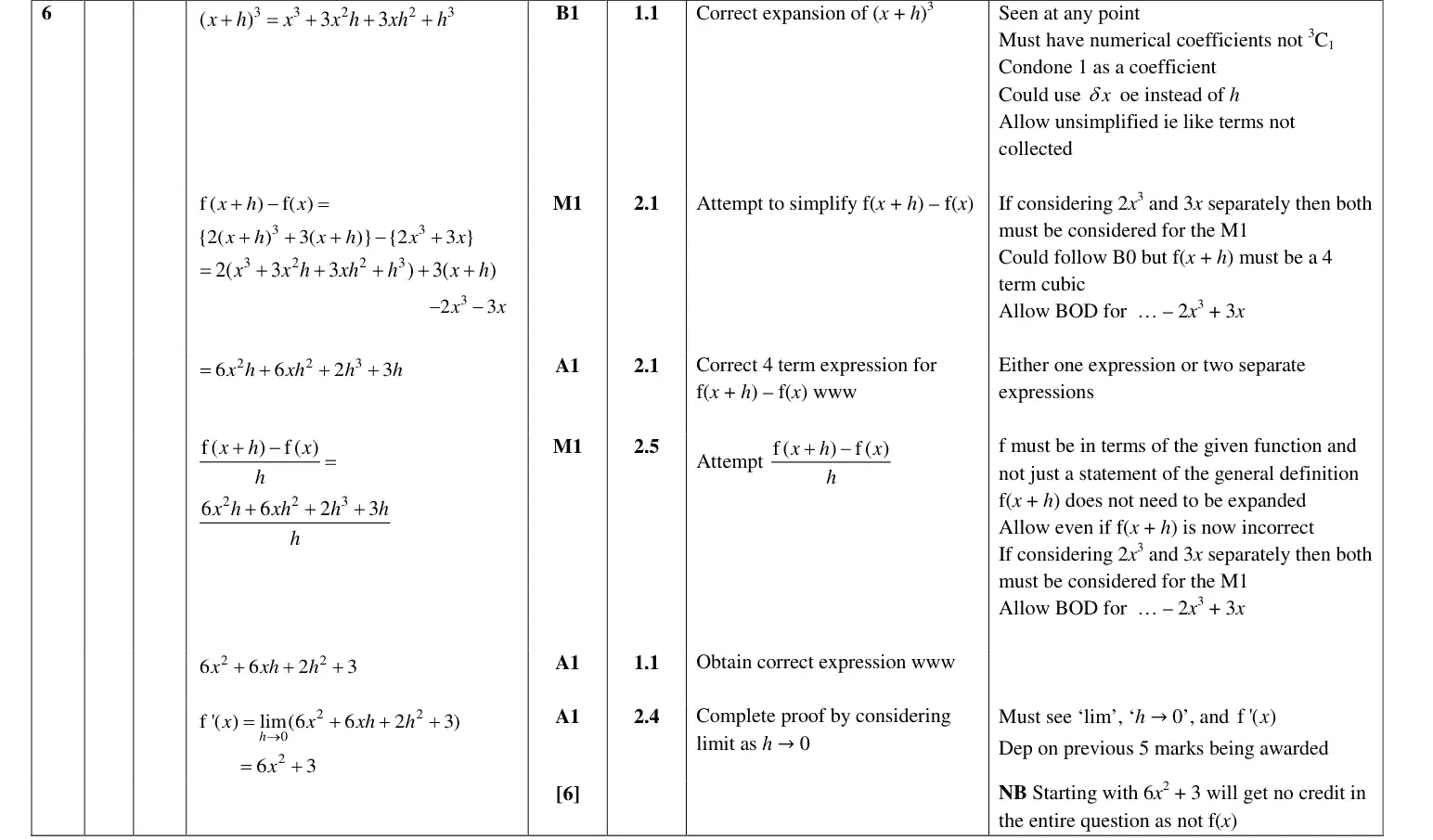
6 Differentiation: first principles, gradients, stationary points, Binomial expansion 6 Medium
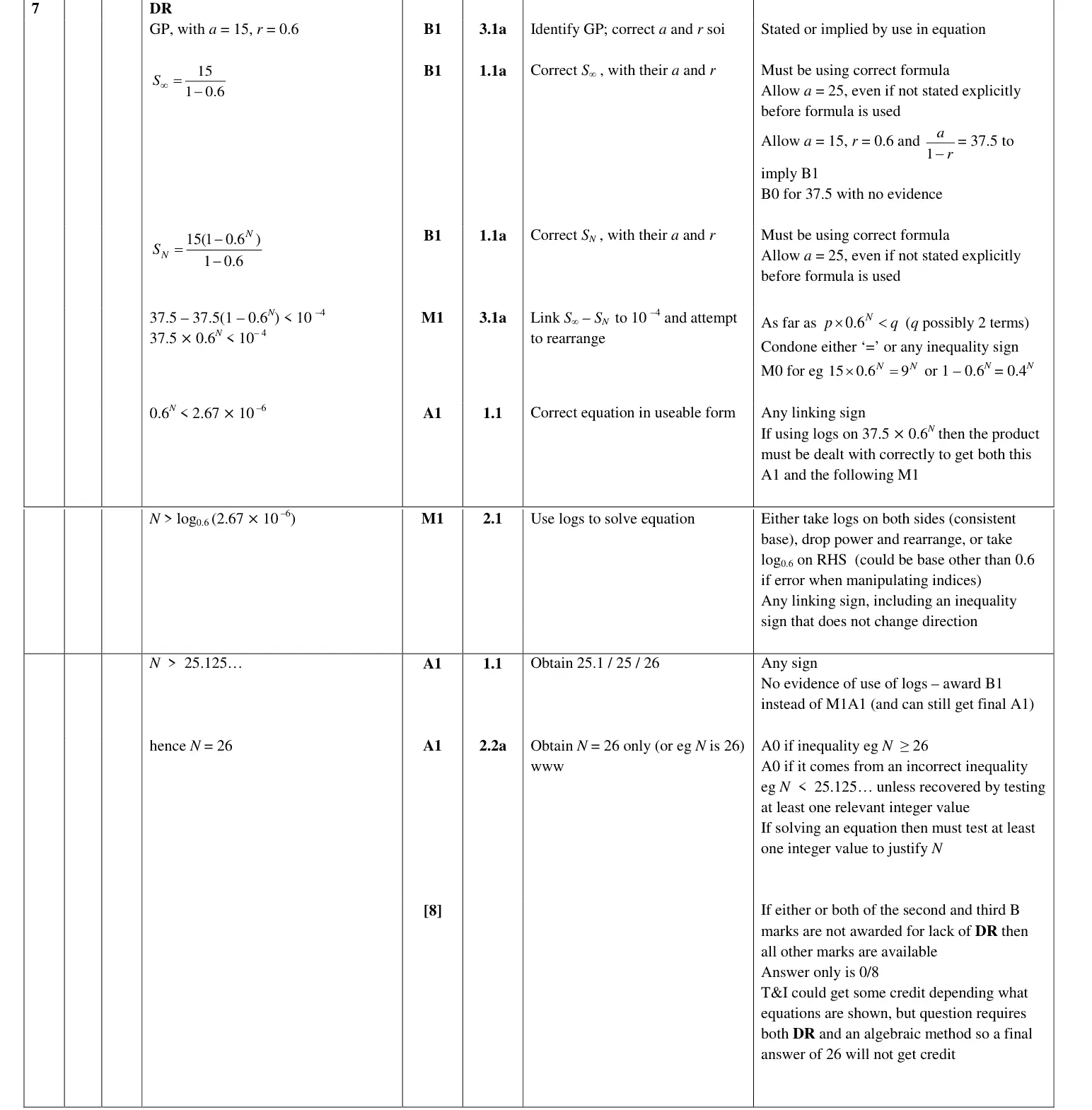
7 Sequences and series, Exponentials and logarithms 8 Hard
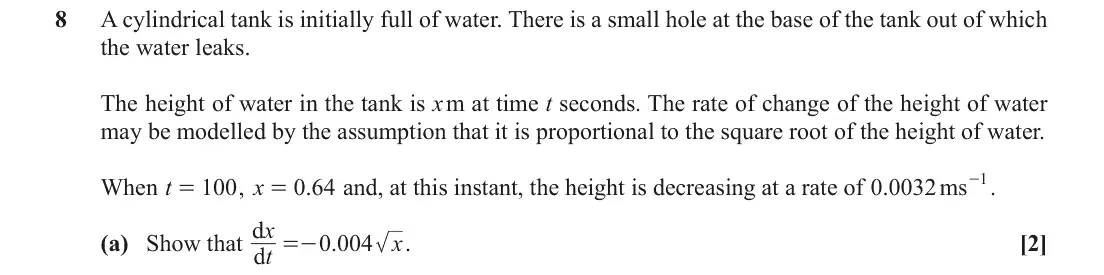
8(a) Differential equations 2 Medium
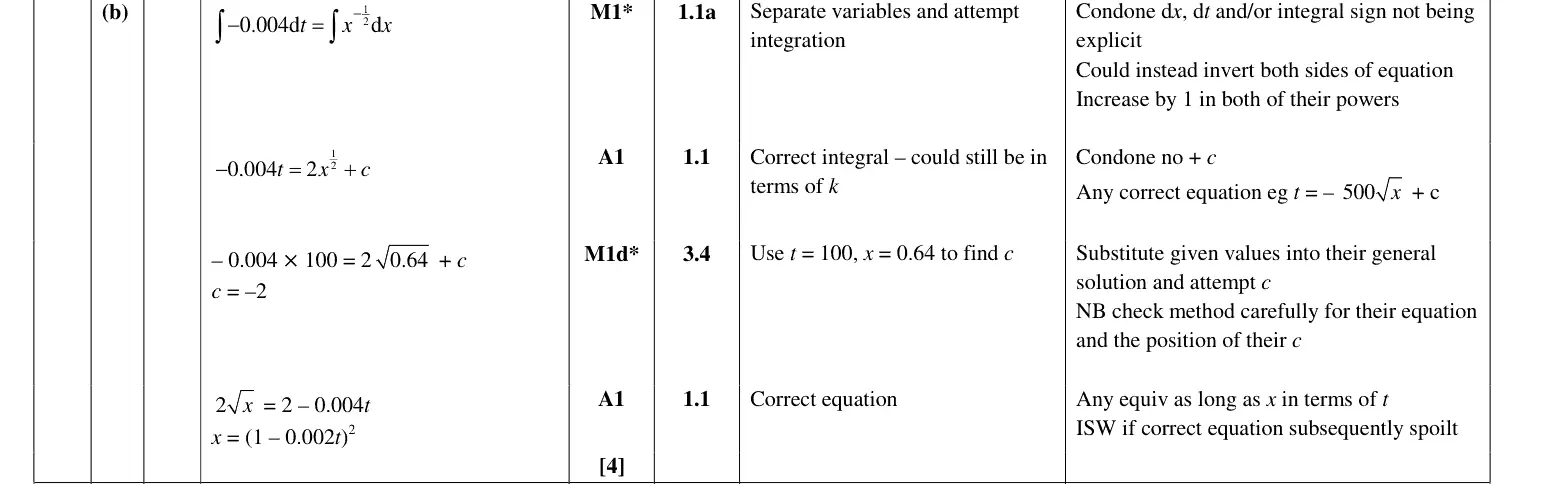
8(b) Differential equations, Indices and surds 4 Medium
8(c) Differential equations 2 Medium
9(a) Addition and double-angle formulae, harmonic form 3 Easy
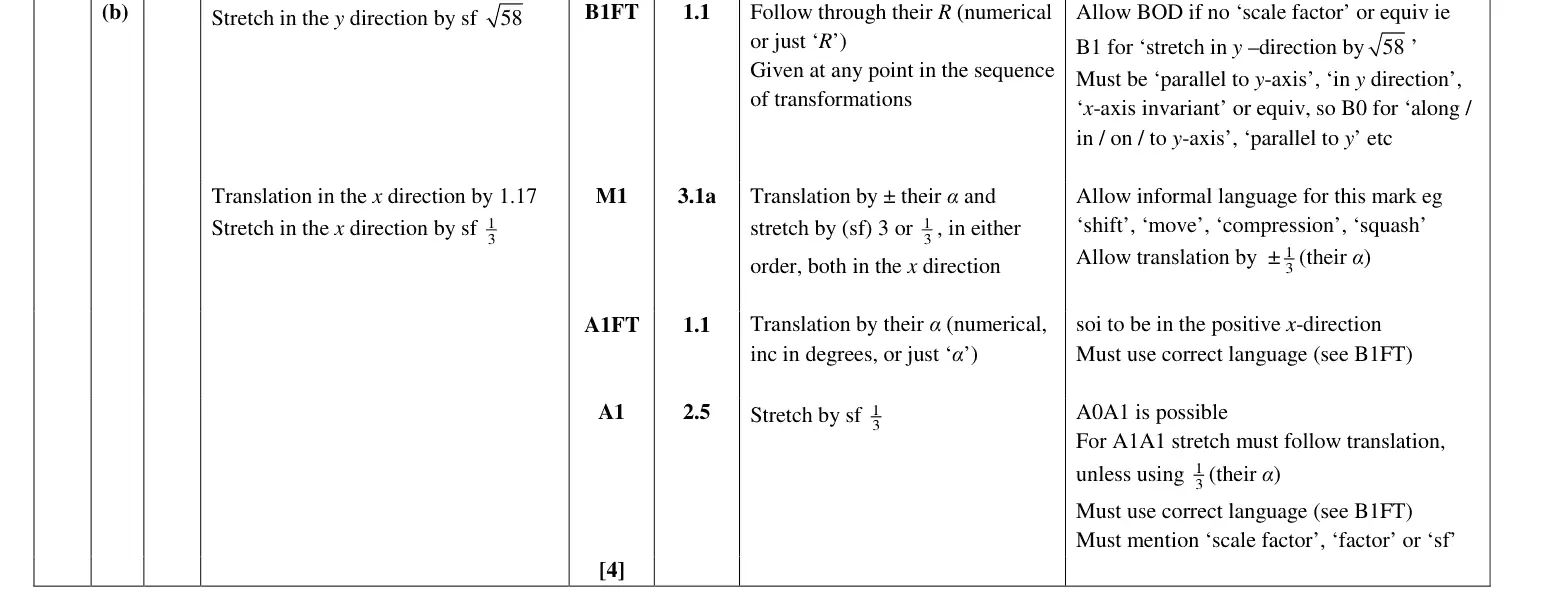
9(b) Graphs and transformations, Trigonometric ratios, graphs, radians and the sine and cosine rules, Addition and double-angle formulae, harmonic form 4 Hard
9(c) Addition and double-angle formulae, harmonic form, Solving trigonometric equations 2 Medium
9(d) Addition and double-angle formulae, harmonic form, Solving trigonometric equations 2 Hard
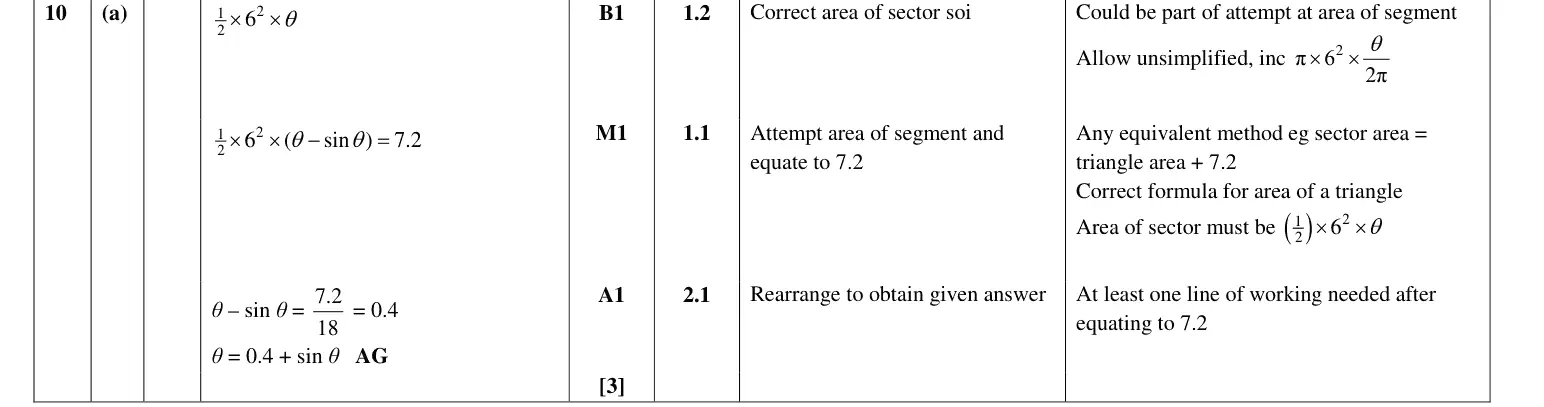
10(a) Trigonometric ratios, graphs, radians and the sine and cosine rules 3 Easy
10(b) Numerical methods: roots, iteration and Newton–Raphson, Differentiation: first principles, gradients, stationary points 2 Hard
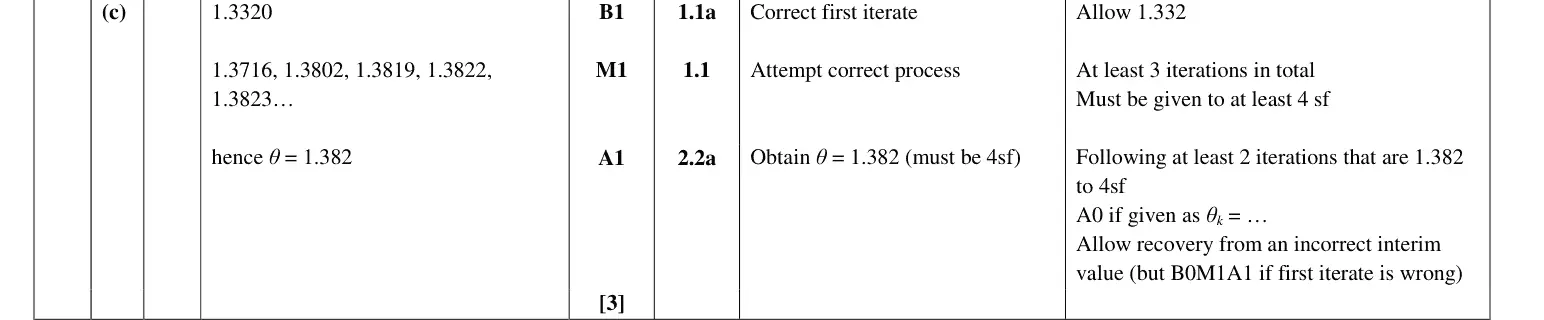
10(c) Numerical methods: roots, iteration and Newton–Raphson 3 Easy
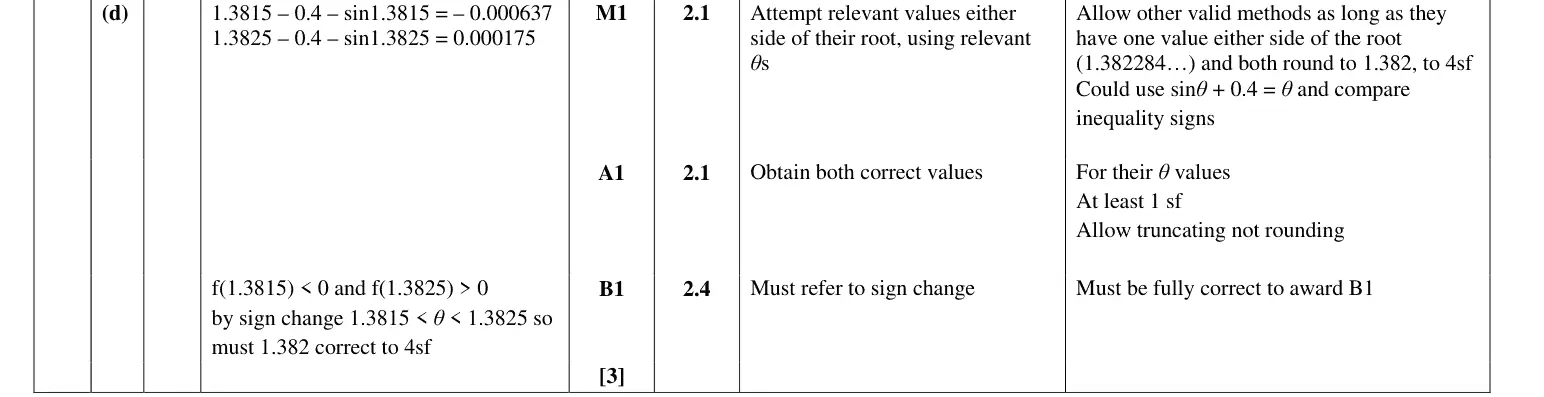
10(d) Numerical methods: roots, iteration and Newton–Raphson 3 Hard
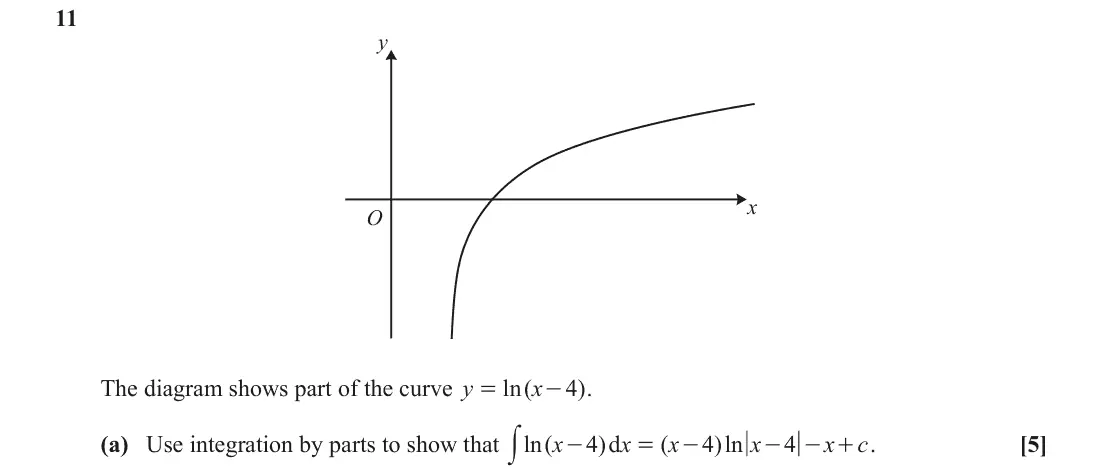
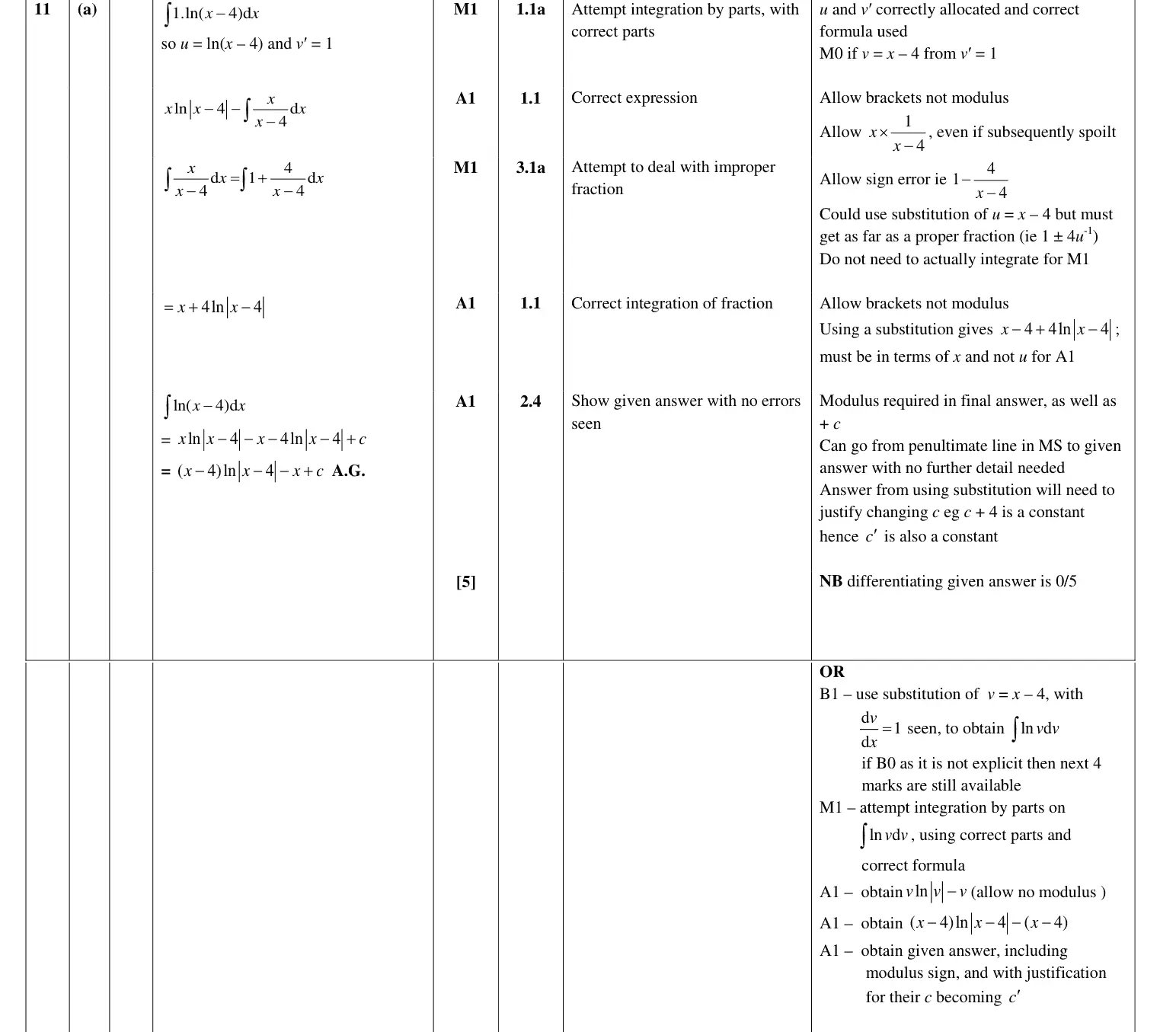
11(a) Integration by parts and by substitution, Algebraic methods: polynomials, factor theorem and rational expressions, Integration: standard integrals, definite integrals and areas 5 Medium
11(b) Exponentials and logarithms, Graphs and transformations 1 Easy
11(c) Integration: standard integrals, definite integrals and areas, Exponentials and logarithms 4 Hard
12(a) Differentiation: first principles, gradients, stationary points, Chain, product and quotient rules; connected rates of change 3 Medium

12(b) Differentiation: first principles, gradients, stationary points, Exponentials and logarithms 4 Medium

12(c) Differentiation: first principles, gradients, stationary points, Chain, product and quotient rules; connected rates of change 5 Hard

The questions

12(a)(i)2(a)(ii)2(b)2(c)3(a)3(b)3(c)3(d)4(a)4(b)4(c)5(a)5(b)678(a)8(b)8(c)9(a)9(b)9(c)9(d)10(a)10(b)10(c)10(d)11(a)11(b)11(c)12(a)12(b)12(c)
June 2019 · Paper 1 · Q1 4 marks Easy inequalitiesquadratics
1 In this question you must show detailed reasoning. Solve the inequality x x . [4] + -
June 2019 · Paper 1 · Q2(a)(i) 1 mark Hard vectors
2 The point A is such that the magnitude of OA is 8 and the direction of OA is 240°. (a) (i) Show the point A on the axes provided in the Printed Answer Booklet. [1]
June 2019 · Paper 1 · Q2(a)(ii) 3 marks Medium vectorstrigonometric ratios
Show the start of this questionEarlier part of this question
(ii) Find the position vector of point A. Give your answer in terms of i and j. [3]
June 2019 · Paper 1 · Q2(b) 2 marks Medium trigonometric ratiosvectors
Show the start of this questionEarlier part of this questionEarlier part of this question
The point B has position vector 6i. (b) Find the exact area of triangle AOB. [2]
June 2019 · Paper 1 · Q2(c) 2 marks Medium vectors
Show the start of this questionEarlier part of this questionEarlier part of this question
The point C is such that OABC is a parallelogram. (c) Find the position vector of C. Give your answer in terms of i and j. [2]
June 2019 · Paper 1 · Q3(a) 1 mark Hard functionsquadratics
3 The function f is defined by ( ) f x ( x ) for x k , where k is a constant. = - - H (a) Given that f - ( )x exists, state the least possible value of k. [1]
June 2019 · Paper 1 · Q3(b) 2 marks Hard functions
Show the start of this questionEarlier part of this question
(b) Evaluate ff(5). [2]
June 2019 · Paper 1 · Q3(c) 3 marks Medium functionsquadratics
Show the start of this questionEarlier part of this question
(c) Solve the equation ( )x f = . x [3]
June 2019 · Paper 1 · Q3(d) 1 mark Medium functions
Show the start of this questionEarlier part of this questionEarlier part of this question
(d) Explain why your solution to part (c) is also the solution to the equation ( ) f x f - ( ) x . [1] =
June 2019 · Paper 1 · Q4(a) 2 marks Easy sequences and series
4 Sam starts a job with an annual salary of £16 000. It is promised that the salary will go up by the same amount every year. In the second year Sam is paid £17 200. (a) Find Sam’s salary in the tenth year. [2]
June 2019 · Paper 1 · Q4(b) 4 marks Easy sequences and seriesquadratics
Show the start of this questionEarlier part of this question
(b) Find the number of complete years needed for Sam’s total salary to first exceed £500 000. [4]
June 2019 · Paper 1 · Q4(c) 1 mark Medium sequences and series
Show the start of this questionEarlier part of this question
(c) Comment on how realistic this model may be in the long term. [1]
June 2019 · Paper 1 · Q5(a) 4 marks Easy implicit and parametric differentiationdifferentiation rules
5 A curve has equation x x y y . - + + = y xy x d - (a) Show that x . [4] = d y x -
June 2019 · Paper 1 · Q5(b) 4 marks Easy differentiationimplicit and parametric differentiation
Show the start of this questionEarlier part of this question
(b) Find the equation of the normal to the curve at the point (1, 2). [4]
June 2019 · Paper 1 · Q6 6 marks Medium differentiationbinomial expansion
6 Let ( )x f x x . Use differentiation from first principles to show that f ( )x x . [6] = + l = +
June 2019 · Paper 1 · Q7 8 marks Hard sequences and seriesexponentials and logs
7 In this question you must show detailed reasoning. n A sequence u , u , u f is defined by u 0 6 . . = # n N / / Use an algebraic method to find the smallest value of N such that u u - . [8] - n n n n = =
June 2019 · Paper 1 · Q8(a) 2 marks Medium differential equations
8 A cylindrical tank is initially full of water. There is a small hole at the base of the tank out of which the water leaks. The height of water in the tank is x m at time t seconds. The rate of change of the height of water may be modelled by the assumption that it is proportional to the square root of the height of water. - . and, at this instant, the height is decreasing at a rate of .0 0032ms 1 When t 100 , x 0 64 . = = x d =- (a) Show that 0 004 . x . [2] t d
June 2019 · Paper 1 · Q8(b) 4 marks Medium differential equationsindices and surds
Show the start of this questionEarlier part of this question
(b) Find an expression for x in terms of t. [4]
June 2019 · Paper 1 · Q8(c) 2 marks Medium differential equations
Show the start of this questionEarlier part of this questionEarlier part of this question
(c) Hence determine at what time, according to this model, the tank will be empty. [2]
June 2019 · Paper 1 · Q9(a) 3 marks Easy double angle formulae
9 (a) Express cos x sin x in the form R cos ( x ) , where R and 0 r. [3] + - a a
June 2019 · Paper 1 · Q9(b) 4 marks Hard graphs and transformationstrigonometric ratiosdouble angle formulae
Show the start of this questionEarlier part of this question
(b) Give full details of a sequence of three transformations needed to transform the curve y cos x = to the curve y cos x sin x . [4] = +
June 2019 · Paper 1 · Q9(c) 2 marks Medium double angle formulaetrigonometric equations
Show the start of this questionEarlier part of this question
(c) Determine the greatest value of cos x sin x as x varies and give the smallest positive + value of x for which it occurs. [2]
June 2019 · Paper 1 · Q9(d) 2 marks Hard double angle formulaetrigonometric equations
Show the start of this questionEarlier part of this question
(d) Determine the least value of cos x sin x as x varies and give the smallest positive value + of x for which it occurs. [2]
June 2019 · Paper 1 · Q10(a) 3 marks Easy trigonometric ratios
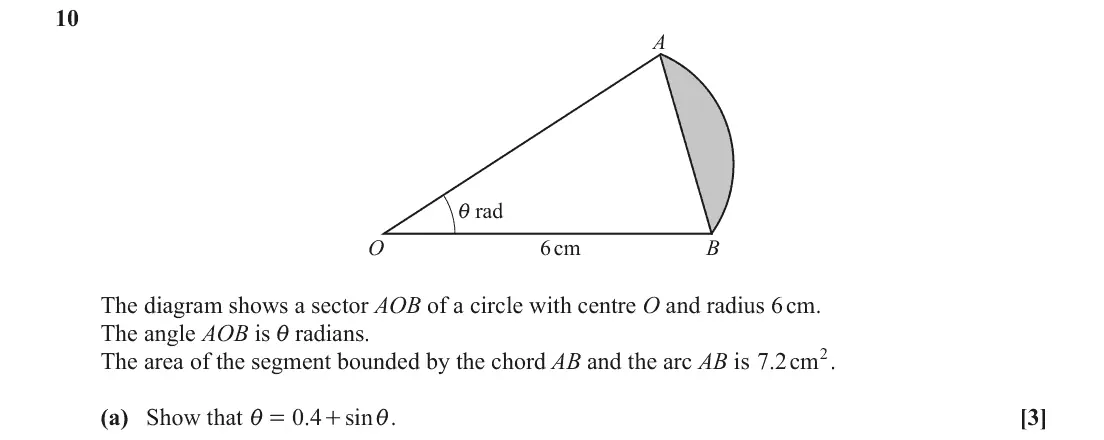
10 A i rad O 6 cm B The diagram shows a sector AOB of a circle with centre O and radius 6 cm. The angle AOB is i radians. The area of the segment bounded by the chord AB and the arc AB is .7 2cm2. (a) Show that [3] 0 4 . sin . = + i i
June 2019 · Paper 1 · Q10(b) 2 marks Hard numerical methodsdifferentiation
Show the start of this questionEarlier part of this question
(b) Let ( ) F i 0 4 . sin . = + i By considering the value of F i ( ) where i = 1.2, explain why using an iterative method based l on the equation in part (a) will converge to the root, assuming that 1.2 is sufficiently close to [2] the root.
June 2019 · Paper 1 · Q10(c) 3 marks Easy numerical methods
Show the start of this questionEarlier part of this question
(c) Use the iterative formula 0 4 . sin with a starting value of 1.2 to find the value of i = + i i n n + correct to 4 significant figures. [3] You should show the result of each iteration.
June 2019 · Paper 1 · Q10(d) 3 marks Hard numerical methods
Show the start of this questionEarlier part of this questionEarlier part of this question
(d) Use a change of sign method to show that the value of i found in part (c) is correct to 4 [3] significant figures.
June 2019 · Paper 1 · Q11(a) 5 marks Medium integration by parts and substitutionalgebraic methodsintegration
11 y x O The diagram shows part of the curve y ln ( x ) . = - y (a) Use integration by parts to show that ln ( x ) d x ( x ) ln x x c . [5] - = - - - +
June 2019 · Paper 1 · Q11(b) 1 mark Easy exponentials and logsgraphs and transformations
Show the start of this questionEarlier part of this question
(b) State the equation of the vertical asymptote to the curve y ln ( x ) . [1] = -
June 2019 · Paper 1 · Q11(c) 4 marks Hard integrationexponentials and logs
Show the start of this questionEarlier part of this question
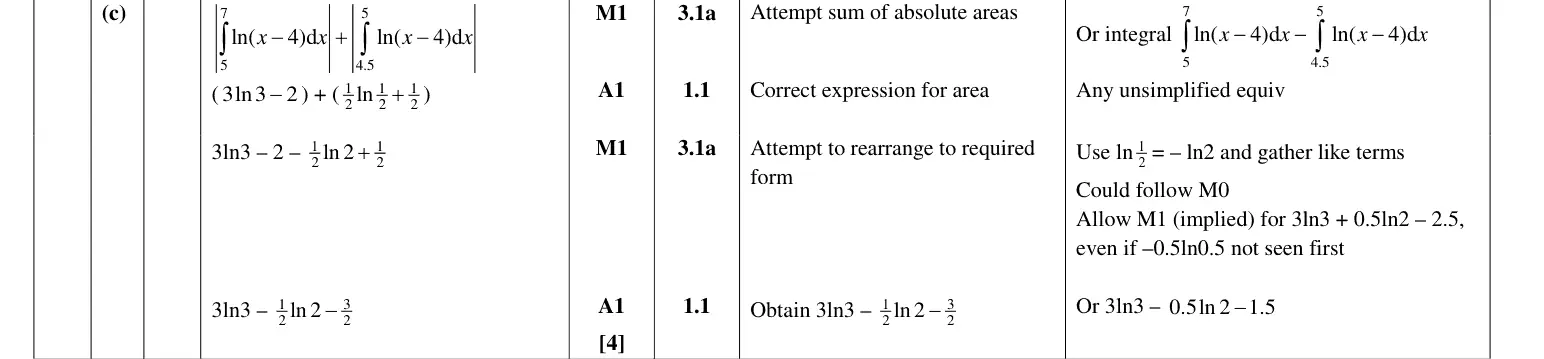
(c) Find the total area enclosed by the curve y ln ( x ) , the x-axis and the lines x 4 5 . and = - = x . Give your answer in the form a ln b ln + where a, b and c are constants to be c = + found. [4]
June 2019 · Paper 1 · Q12(a) 3 marks Medium differentiationdifferentiation rules
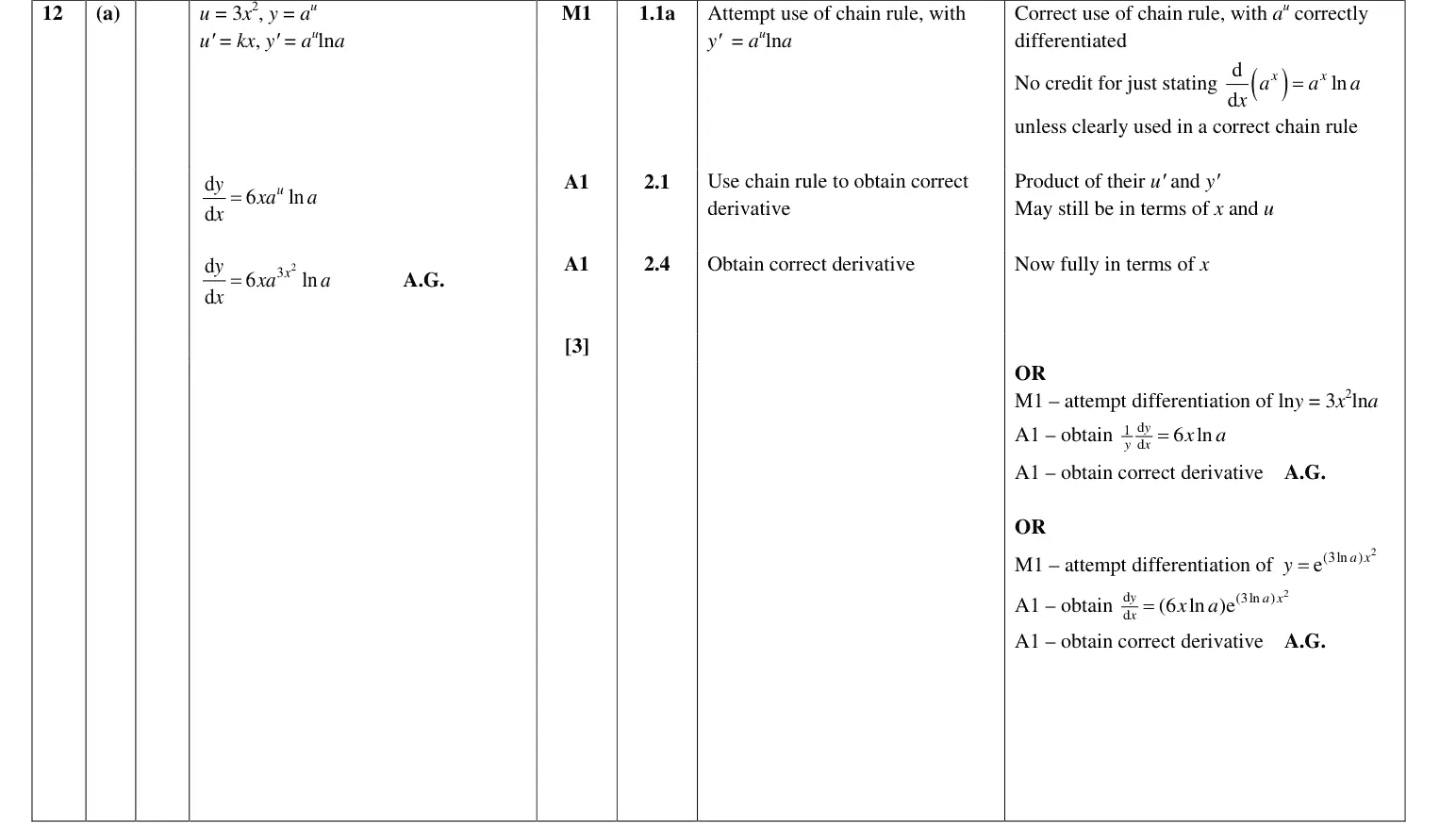
a x 3 2 12 A curve has equation y , where a is a constant greater than 1. = y d 3 2 x (a) Show that xa ln a . [3] = x d
June 2019 · Paper 1 · Q12(b) 4 marks Medium differentiationexponentials and logs
Show the start of this questionEarlier part of this question
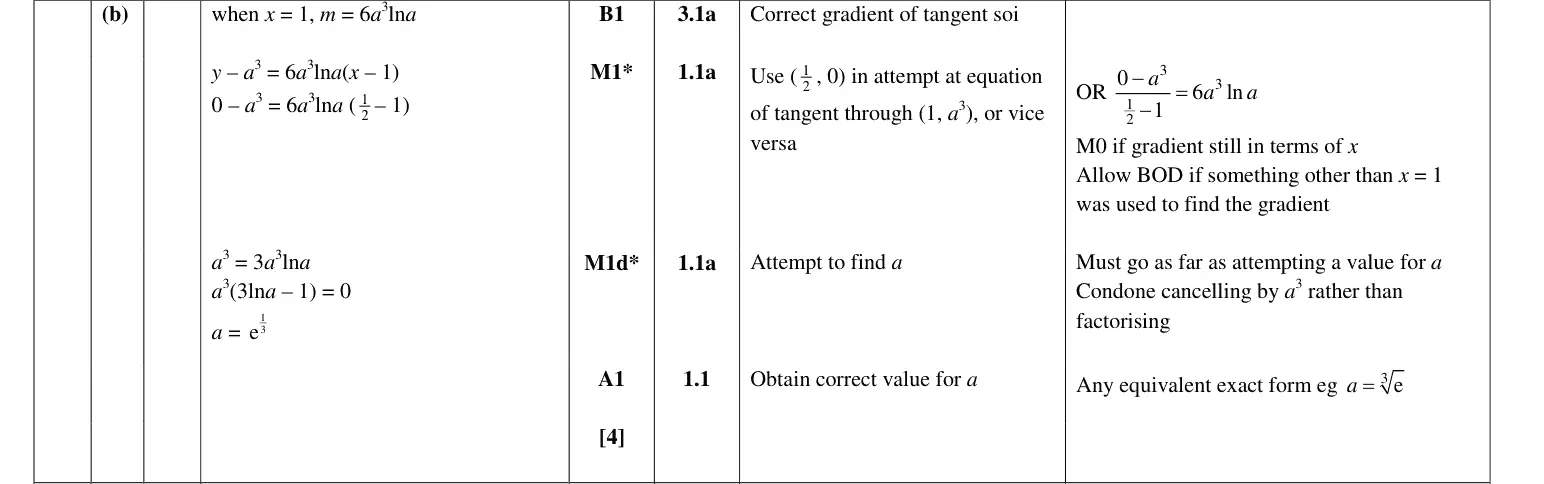
3 passes through the point ( 2 1, 0). (b) The tangent at the point ( , a ) Find the value of a, giving your answer in an exact form. [4]
June 2019 · Paper 1 · Q12(c) 5 marks Hard differentiationdifferentiation rules
Show the start of this questionEarlier part of this questionEarlier part of this question
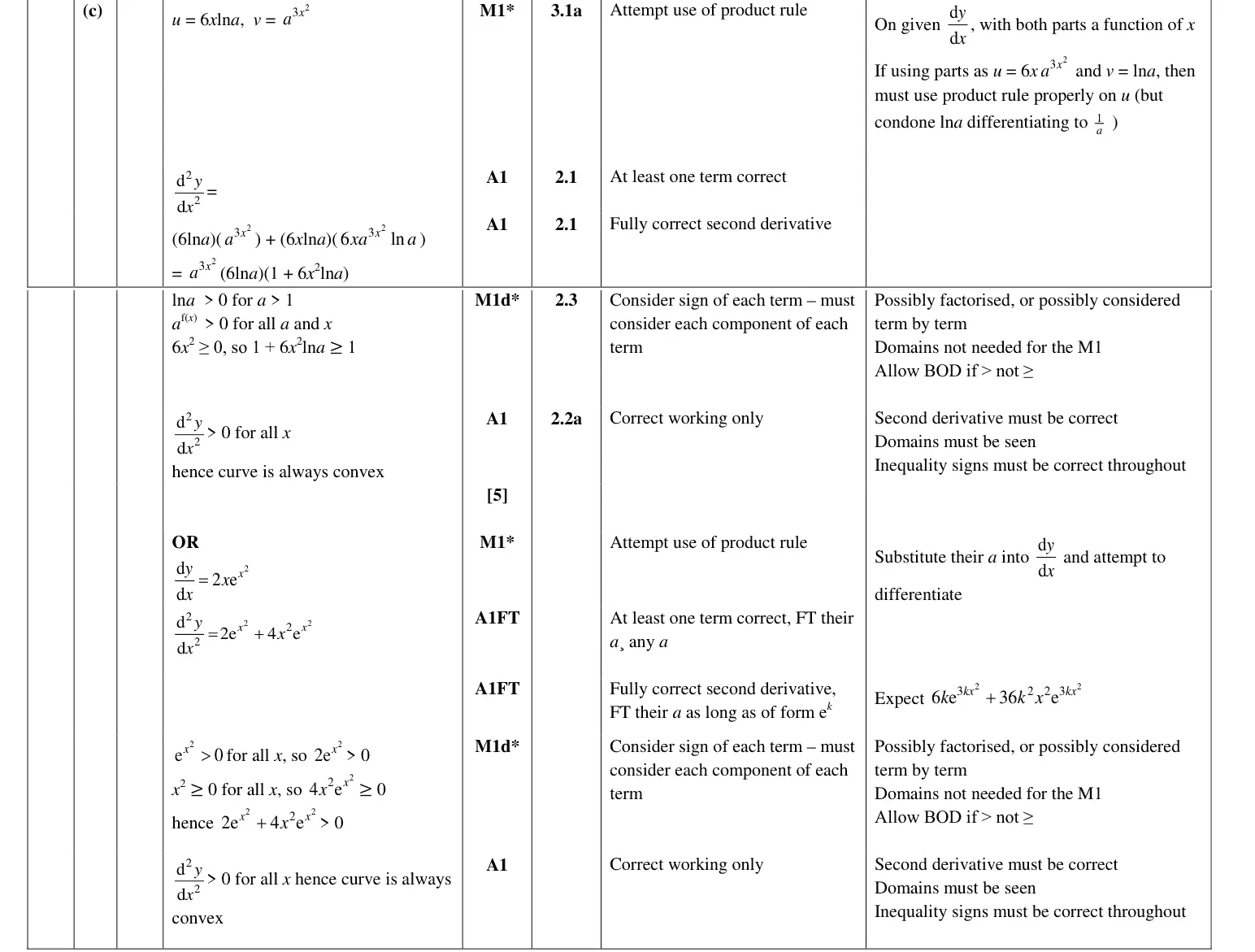
y d (c) By considering x show that the curve is convex for all values of x. [5] d

Find an A-level maths tutor

Want this paper marked and gone through with you? Message us.

Prefer email? Send an enquiry

If you are under 18, please include a parent's contact details. Enquiries go to enquiries@mathsaleveltutor.com and are deleted once handled.